
Stretching helps keep the musculoskeletal system healthy and working well by maintaining flexibility and mobility in muscles, tendons and joints.
The benefits depend on how you stretch and the technique you use.
Here are some common myths to clear up so you can get the most from stretching.
Myth: I must stretch before starting my workout
Not entirely. Many people believe stretching before exercise prevents injuries.
Others believe they will get injured if they skip it.
Research does not prove this. Gentle stretching before exercise will not cause a problem either.
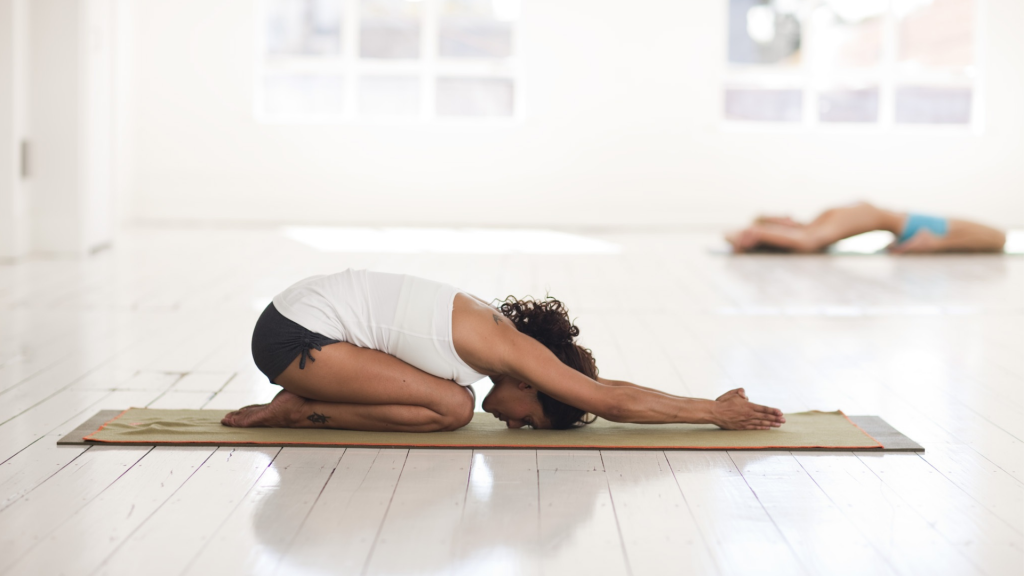
Pay attention to what your body needs, choosing mainly dynamic stretches that involve movement when you feel you need them.
If there is a time to prioritise stretching around exercise, it is after your workout.
This helps maintain normal length in the contractile structures of your musculoskeletal system.
Myth: A stretch should last more than 30–40 seconds.
There is no rule that says this. If it feels better, you can hold a stretch for a full minute, but it brings no extra benefit to the anatomical structures being stretched.
The truth is that the chemical process of breaking actin–myosin bonds within the muscle is completed in 15–20 seconds, and the muscle regains its normal length.
If you still feel you need more and have no discomfort or pain, you can stretch for 15–60 seconds.
Myth: There is no limit to overstretching; you can stretch as much as you like.
The anatomical structures of the musculoskeletal system have limits.
Stretching for too long or lengthening contractile structures too far can cause injury, discomfort and dysfunction.

Pain is the body’s warning system when we overdo things. Stretch when you need to, only to the point of minimal, tolerable pain.
Build up stretching gradually and patiently, giving your body time to adapt and regain normal flexibility at its own pace.
Athletes should resist pushing too far just because the body feels strong under load. Stretching makes different demands.
Myth: Stretching will make your muscles longer and more flexible.
This is the biggest myth. Each person’s muscular system has a maximum flexibility and length determined exclusively by DNA.
Stretching maintains or restores this flexibility and range of movement. Athletes with exceptionally flexible joints and muscles have simply reached their body’s maximum potential through specialised training with dynamic stretching.
For most people, stretching restores muscles and ligaments closer to their normal state rather than making them longer.
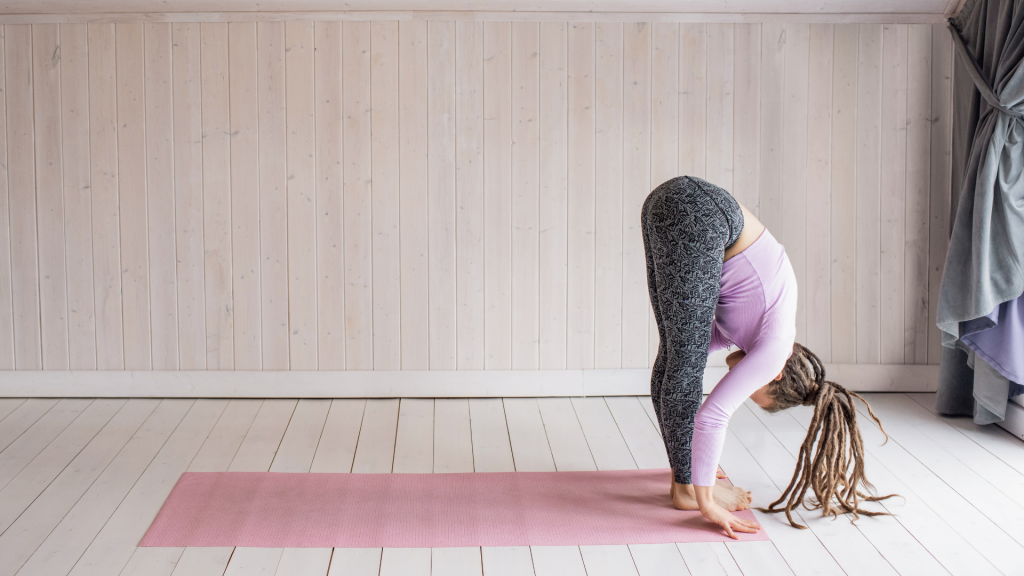
Being able to touch your toes after stretching, when you could not before, does not mean your hamstrings have grown longer.
Your muscles and all the surrounding contractile anatomical structures have simply returned to their normal length, while, at a neurophysiological level, you have developed greater tolerance or endurance for that stretch.
In other words, through the peripheral proprioceptors, your nervous system has stopped producing pain in that position because it has “recognised” that there is no risk of injury.
Stretching – a useful everyday tool for wellbeing
Stretching can be a valuable everyday habit for a healthier, more flexible body.
Whether you spend much of your time sitting, do little vigorous activity or take part in sport, stretching helps keep your body functioning fully, without injuries or restrictions.