


Soft Tissue Techniques Seminar: Therapeutic Massage, Trigger Point Therapy, Cupping Therapy, Myofascial Release Tools & Self-Myofascial Release

Programme Information
Format: Blended learning – Intensive face-to-face training with asynchronous e-learning
Duration: 40 hours (32 face-to-face + 8 asynchronous learning)
Structure: 2 parts (two-day seminars & learning materials), winter or spring semester
Teaching languages: Greek or English
Countries of delivery: Greece & Cyprus
Number of participants: Maximum 19 people
Participants: Exclusively for physiotherapists
Content
Training Modules
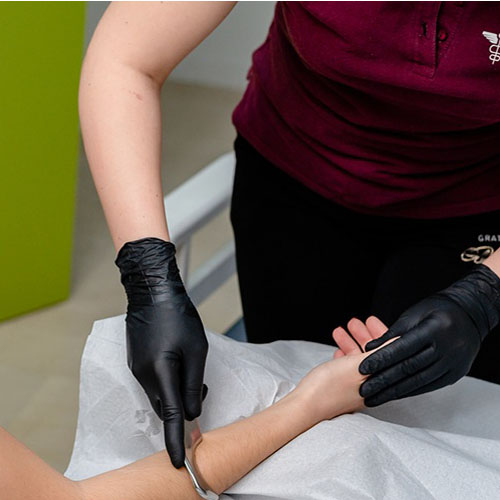
- Therapeutic Massage Therapeutic massage underpins all soft tissue techniques. Participants learn techniques for each body region, along with their purpose and effects. Practical training covers pain management, relaxation, release of muscle spasms, improved blood flow and myofascial release.
- Τrigger Point Therapy Training in the assessment, palpation and manual treatment of trigger points — points that trigger pain. The technique is applied to areas of the spine and peripheral joints, aiming to reduce pain and restore soft tissue function.
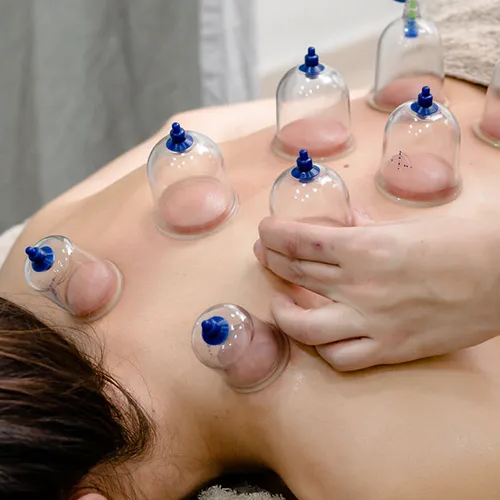
- Cupping Therapy Cupping Therapy is one of the oldest and most recognised myofascial release techniques. Participants learn to use it correctly, safely and effectively, incorporating it into treatment plans and designing comprehensive sessions.
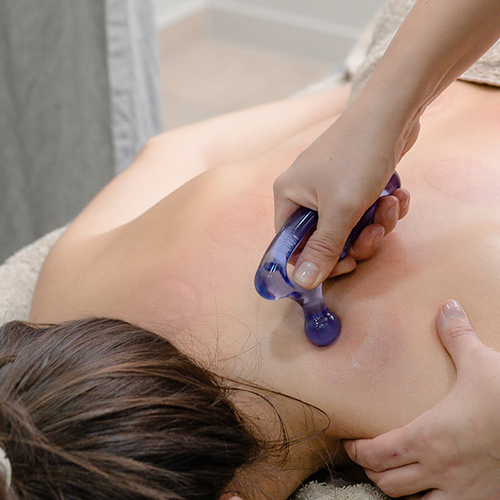
- Myofascial Release Tools Instrument-assisted myofascial release is an established, important part of rehabilitation. The seminar covers the tools and their correct use, with techniques for releasing adhesions and myofascial restrictions, scar tissue mobilisation, and reducing oedema and haematomas.
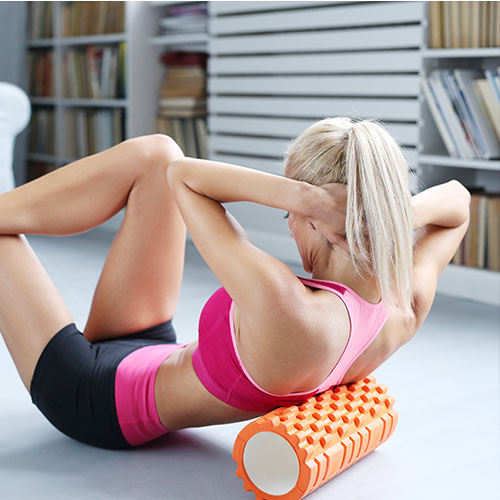
- Self Myofascial Release The final part teaches patient-led myofascial release and trigger point release using massage balls and foam rollers. Participants practise stretching programmes that actively involve the patient, completing treatment with soft tissue techniques.
Learning Outcomes
The Soft Tissue Techniques seminar provides comprehensive training for physiotherapists, bringing together scientific evidence, practical application and clinical safety.
Through the Soft Tissue Techniques seminar, participants will gain the following knowledge and skills:
- Understand the theoretical foundations of all soft tissue techniques:
Therapeutic Massage, Trigger Point Therapy, Cupping Therapy, Myofascial Release Tools and Self-Myofascial - Become familiar with current scientific evidence supporting the effectiveness of the techniques through analysis of recent literature and research findings.
- Develop the ability to assess myofascial dysfunctions and related symptoms, such as pain, reduced range of movement and incorrect movement & functional patterns.
- Develop clinical reasoning to select appropriate techniques according to the patient’s needs and functional status.
- Understand the mechanisms of action, effects, indications and contraindications of all soft tissue techniques.
- Apply specialised techniques to the spine and peripheral limbs using all methods:
Therapeutic Massage, Trigger Point Therapy, Cupping Therapy, Myofascial Release Tools and Self-Myofascial - Design a therapeutic approach for the rehabilitation of musculoskeletal and sports injuries, as well as conditions affecting the myofascial system.
Programme – Topics & Hours
Soft Tissue Techniques Seminar:
Therapeutic Massage, Trigger Point Therapy, Cupping, Myofascial Release Tools & Self-Myofascial Release
PART A
Therapeutic Massage & Trigger Point Therapy
Day 1 9:00–18:00
Theoretical Component
- Introduction to Therapeutic Massage
- Scientific Evidence and Benefits
- Principles of Anatomy and Physiology
- Principles of Therapeutic Massage Application, purpose and mechanisms of action of different techniques / Indications / Contraindications / Precautions
Practical component
- Treatment space preparation and materials
- Patient positioning according to the body region and modifications for coexisting conditions
- Application of different techniques, methods and therapist ergonomics
- Therapeutic Massage techniques for the cervical, thoracic and lumbar spine and pelvis
- Therapeutic Massage techniques for the upper limb
- Therapeutic Massage techniques for the lower limb
- Case Studies
- Discussion
Day 2 9:00–18:00
Theoretical Component
- Introduction to the treatment of myofascial pain points – Trigger Point Therapy
- Scientific Evidence and Benefits
- Trigger Point Assessment – Clinical Reasoning in different pathologies and injuries
- Principles of Trigger Point Therapy Application, purpose and mechanisms of action / Indications / Contraindications / Precautions & Symptoms
Practical component
- Trigger Point Assessment
- Trigger Point Therapy for pain in the cervical spine and temporomandibular joint (neck pain, headache, etc.)
- Trigger Point Therapy for pain in the thoracic and lumbar spine (hypomobility, back pain, low back pain, etc.)
- Trigger Point Therapy for pain in the shoulder girdle, elbow and hand (impingement syndrome, epicondylitis, carpal tunnel syndrome, etc.)
- Trigger Point Therapy for pain in the pelvis and hip (piriformis syndrome, rectus abdominis-adductor syndrome, sciatica, greater trochanteric pain syndrome, etc.)
- Trigger Point Therapy for pain in the knee and foot (iliotibial band syndrome, patellofemoral pain, peroneal and Achilles tendinopathy, etc.)
- Case studies
- Discussion
PART B
Cupping Therapy & Myofascial Release with Tools & Self-Myofascial Release
Day 1 9:00–18:00
Theoretical Component
- Introduction to Cupping Therapy
- Scientific Evidence and Benefits
- Principles of Cupping Therapy Application – Dry Cupping, purpose and mechanisms of action / Indications / Contraindications / Precautions
Practical component
- Materials for Cupping Therapy
- Methods of Static and Dynamic Application – Static and Dynamic Cupping
- Static and Dynamic Cupping for the cervical, thoracic and lumbar spine
- Static and Dynamic Cupping for the pelvis and hip
- Static and Dynamic Cupping for the thigh and knee
- Static and Dynamic Cupping for the lower leg and foot
- Static and Dynamic Cupping for the shoulder girdle and shoulder
- Static and Dynamic Cupping for the elbow and hand
- Dry Cupping applications with movement therapy and functional exercise
- Applications for musculoskeletal and sports injuries and conditions in different regions
- Case studies
- Discussion
Day 2 9:00–18:00
Theoretical Component
- Myofascial Chains – Anatomy – Superficial Back Line / Superficial Front Line / Lateral Line / Spiral Line / Arm Lines / Functional Lines / Deep Front Line
- Assessment of Myofascial Dysfunctions
- Scientific Evidence and Benefits of Instrument-Assisted Myofascial Release (MFR Tools)
- Principles of MFR Tools Application, purpose and mechanisms of action / Indications / Contraindications / Precautions
- Theoretical Foundations, Principles and Benefits of Self-Myofascial Release techniques
Practical component
- Assessment of Myofascial Dysfunctions
- MFR Tools – Types of Techniques
- Myofascial Chains and Techniques: Superficial Back Line / Superficial Front Line / Lateral Line / Spiral Line / Arm Lines / Functional Lines / Deep Front Line
- MFR Tools for the cervical spine
- MFR Tools for the shoulder girdle and shoulder
- MFR Tools for the elbow and hand
- MFR Tools for the thoracic and lumbar spine
- MFR Tools for the pelvis, hip and upper part of the lower limb
- MFR Tools for the knee and lower part of the lower limb
- MFR Tools for the elbow and hand
- MFR Tools for the foot
- MFR Tools applications with movement therapy and functional exercise
- Self-Myofascial Release techniques for trigger points using equipment – massage balls and foam rollers, stretching programme
- Case studies
- Discussion
Assessment Process & Requirements
| 1. Compulsory attendance of a minimum proportion of face-to-face hours (≥90%). |
| 2. Attendance recorded for each module/lesson. |
| 3. Compulsory participation in practical exercises and workshops. |
| 4. Submission of an assignment (literature review). |
| 5. Participation in exercises and group activities. |
| 6. Assessment through a written knowledge test. |
Fees & Registration
Programme Fees
The training programme consists of 2 parts (modules).
- Standard fee: €375 per part – Total programme fee: €750
- Early Bird 20% Discount: €300 per part – Total programme fee: €600
*Plus, VAT in countries where applicable
Deposit
Payment Method
Bank deposit or transfer
Enter your full name and “Soft Tissue Techniques – City of interest” in the beneficiary reference field.
Bank Details
IBAN: GR9702606390000170200586867
Beneficiary: THERAPYLAB RESEARCH AND DEVELOPMENT SINGLE-MEMBER S.A.
Bank: EUROBANK
Company Name: THERAPYLAB RESEARCH & DEVELOPMENT SINGLE-MEMBER S.A.
PHYSIOTHERAPY FRANCHISE SERVICES | EDUCATIONAL SERVICES
Tax Identification Number: 803139109
Tax Office: KEFODE
Address: 25 Panormou Street, 12242 Egaleo
Participation Terms
- To register, email your full name, telephone number and chosen seminar to seminars@therapylab.gr, or complete the registration form attherapylab.gr.
- A deposit of €100 is required to confirm your place.
- After making the deposit, send proof of payment (PDF or screenshot) to seminars@therapylab.gr.
- You will receive a confirmation email with the seminar details.
- If TherapyLab cancels the seminar, the deposit will be refunded.
- If a participant cancels, notice must be given at least 15 days before the start date; the deposit may be transferred to a future seminar.
- TherapyLab may change the date or venue, notifying participants in good time.
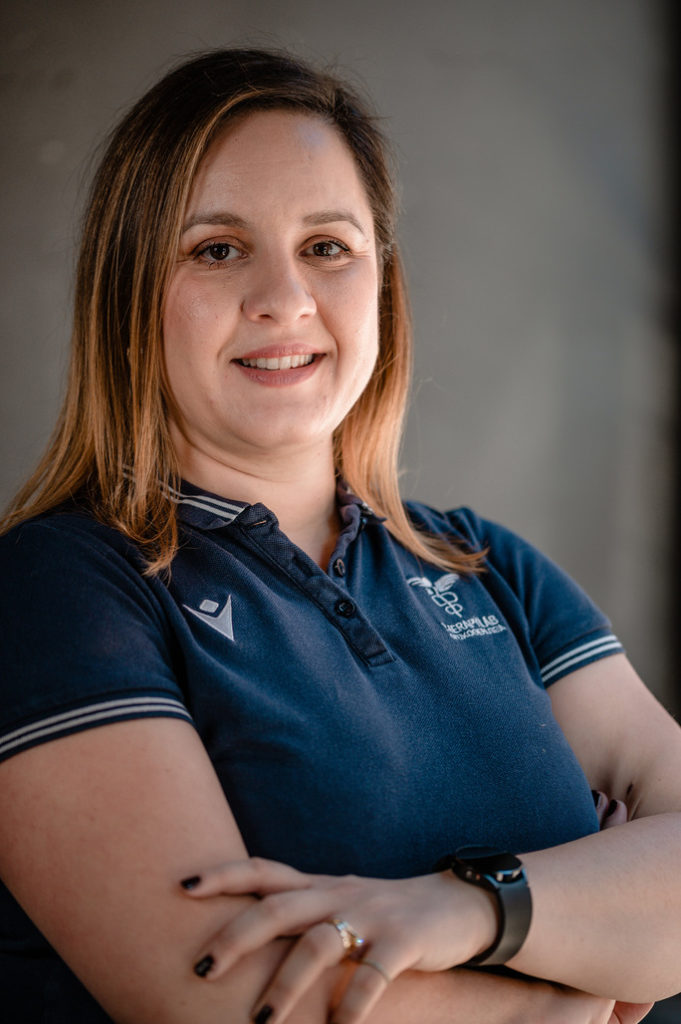
Lecturers
Dates & Locations of Scheduled Seminars Soft Tissue Techniques Seminar:
Therapeutic Massage, Trigger Point Therapy, Cupping, Myofascial Release Tools & Self-Myofascial Release

Upcoming Programme Cycles
New programme dates are announced each semester.
Complete the expression of interest form to hear first or let us know you are interested in a programme in your area.
Expression of Interest Form
Complete your details to enquire about availability or book a place:
📧 Email: seminars@therapylab.gr
📞 Tel.: +30 6985676281