


The plantar fascia is a tough band of fibrous tissue that runs from the base of the heel to the toes.
It plays an important role in standing and walking by distributing loads and maintaining the biomechanics of the foot.
However, because of its position and the role it plays, it is often injured and becomes inflamed.

When this happens, the result is plantar fasciitis, which causes intense pain when walking.
Symptoms of plantar fasciitis are usually most severe when you start moving again after a period of rest.
- A sudden start of intense physical activity
- Overuse of the foot, e.g. standing in the same position for many hours every day
- Exercising on hard surfaces
- Overstretching of the sole of the foot
- Obesity, or being overweight in general
- An injury to the ankle or the Achilles tendon
- Flat feet or high arches, and arch dysfunction in general
- Degeneration of the tissue due to age and wear
- Unsuitable footwear with a flat surface and poor soles
- Excessive strengthening of the calf muscle (gastrocnemius) without following a proper stretching protocol and without also strengthening the opposing muscles.
Plantar Fasciitis – What Are the Treatment Options?
Plantar fasciitis is an extremely uncomfortable and painful condition.
Fortunately, modern physiotherapy offers a range of treatments that can make recovery fast and complete.

Image 2
These treatments include:
Physical modalities for pain relief: TENS, ultrasound, massage and cryotherapy are the simple methods we use to relieve pain and promote healing.
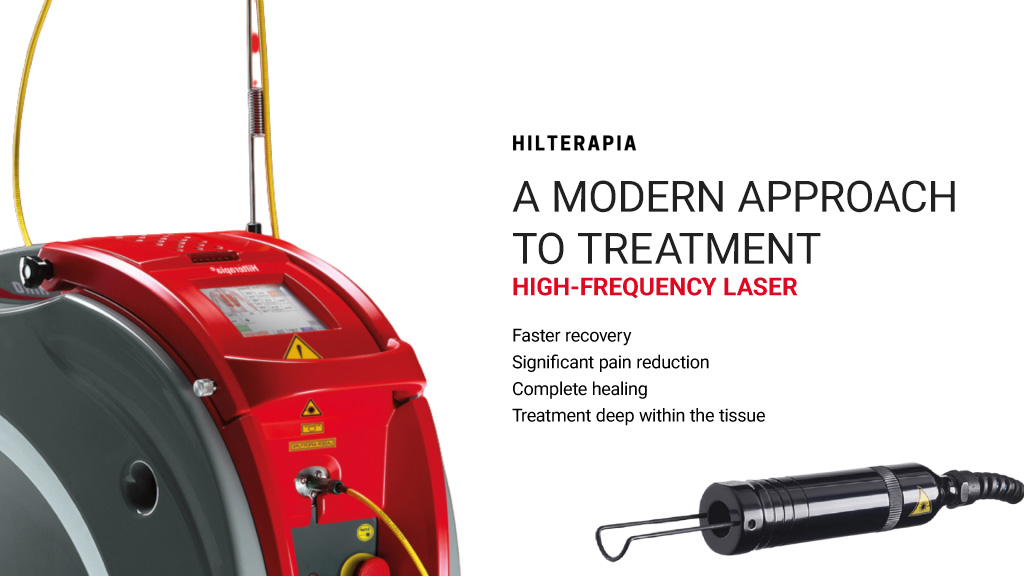
Hilterapia: A state-of-the-art device available at TH L that speeds up recovery. Only Hilterapia can deliver high doses of energy deep into the tissues with complete safety for the patient, stimulating tissues that would otherwise not respond and successfully treating conditions where other therapeutic techniques prove ineffective.
Shockwave therapy: Plantar fasciitis often leads to the formation of small bone spurs, commonly known as heel spurs. Shockwave therapy is the modern answer for quickly eliminating these spurs and the pain they cause.
Foot scan and custom insoles: The most common cause of plantar fasciitis is abnormal function of the foot arch. A foot scan followed by custom-made insoles supports the function of the plantar fascia, correcting the movement pattern of the foot and eliminating the underlying cause of the condition.
Movement analysis and personalised therapeutic exercise: Identifying faulty movement patterns and correcting them with specialised exercises and targeted stretching is the final step of a successful rehabilitation, ensuring that plantar fasciitis does not return in the future.
Of course, Th L offers all of the above treatments, and our therapists have extensive, long-standing experience in treating patients with foot problems.
Call us to book an assessment appointment.