Orthotic insoles are specialised, custom-made inserts worn inside shoes to correct foot biomechanics.
Minor deviations, such as mild overpronation, through to pathological deviations, such as severe flat feet, can cause significant functional problems and painful syndromes over time.
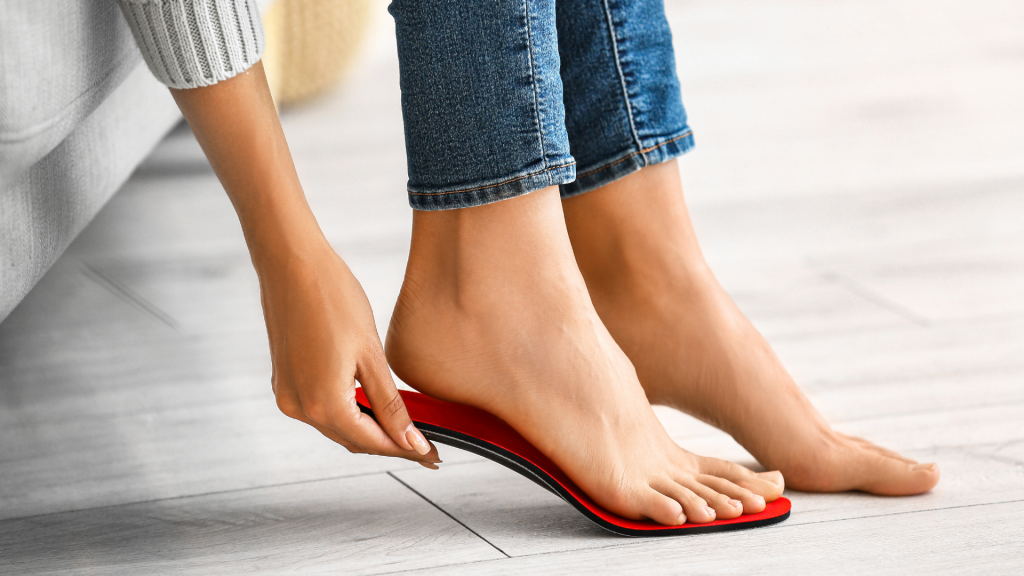
Orthotic insoles are the solution to all these foot problems, including flat feet, high arches, bunions, fallen metatarsal arches and others.
Corrective insoles change the way your lower limbs have become used to working. Even though that habitual movement is incorrect, the change can cause discomfort at first.
Some initial discomfort is normal and will disappear as lower limb function improves.
These 3 tips will help you experience almost no discomfort.
1. Introduce your orthotic insoles gradually
The biomechanical corrections in orthotic insoles take time to get used to, especially for your feet, but also your knees and hips. At first, they are not ready to accommodate them for long periods.
Build up wear time gradually.
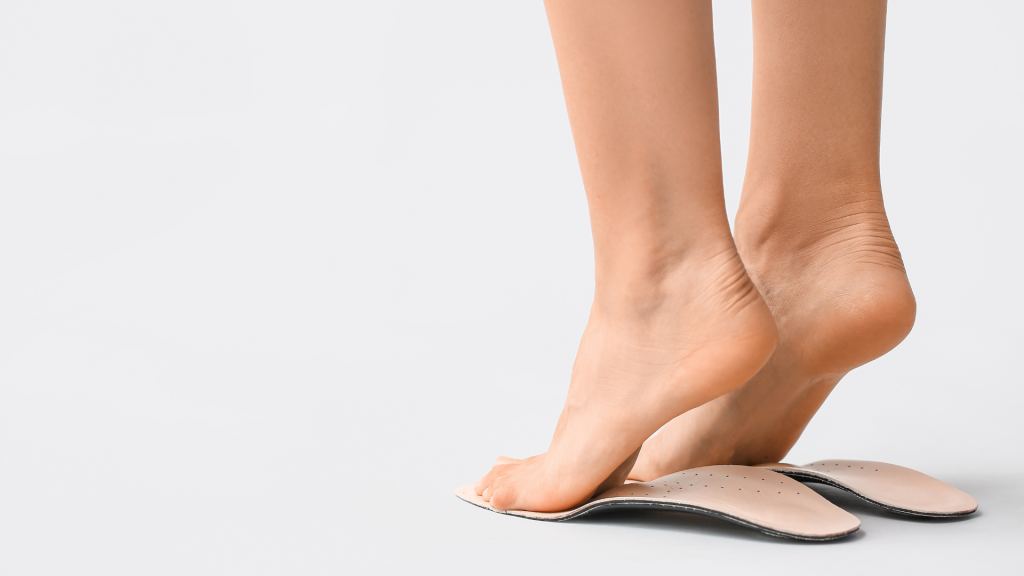
On the first day, wear your insoles for 1–2 hours. Then rest your feet or replace the orthotic insoles with the original standard insoles from your shoes. Maintain these wear times for the first 2–3 days.
Then progressively increase the use of your orthotic insoles by 1 hour every 2–3 days.
After 10–15 days, you will be able to keep your custom orthotic insoles permanently in your shoes.
2. Use orthotic insoles in trainers
Most of the correction provided by orthotic insoles is concentrated at the arch of the foot.
The arch is sensitive to pain and pressure, so some discomfort here is normal during the first few days.
A cushioned surface beneath your foot can be extremely helpful in easing this discomfort.
This cushioning absorbs both the pressure from your body weight and the impact of your foot against the ground when walking.
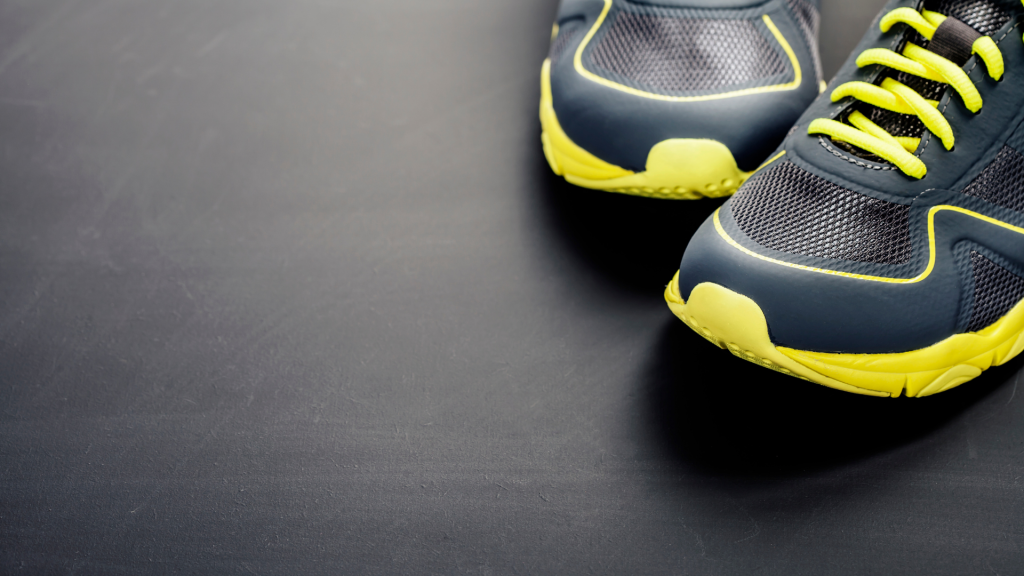
The cushioned sole of a trainer provides such a surface. For the first month, try wearing your orthotic insoles inside good-quality trainers with generous foam cushioning and good support through the midfoot.
3. Speak to your therapist and report any discomfort promptly.
Many patients experience discomfort without informing their therapist.
The solution is often simple, yet patients sometimes put up with discomfort because they are unaware of it or do not give it attention.
The brain can then associate the whole experience with pain. This may leave patients reluctant to wear their insoles even after the discomfort has completely settled.
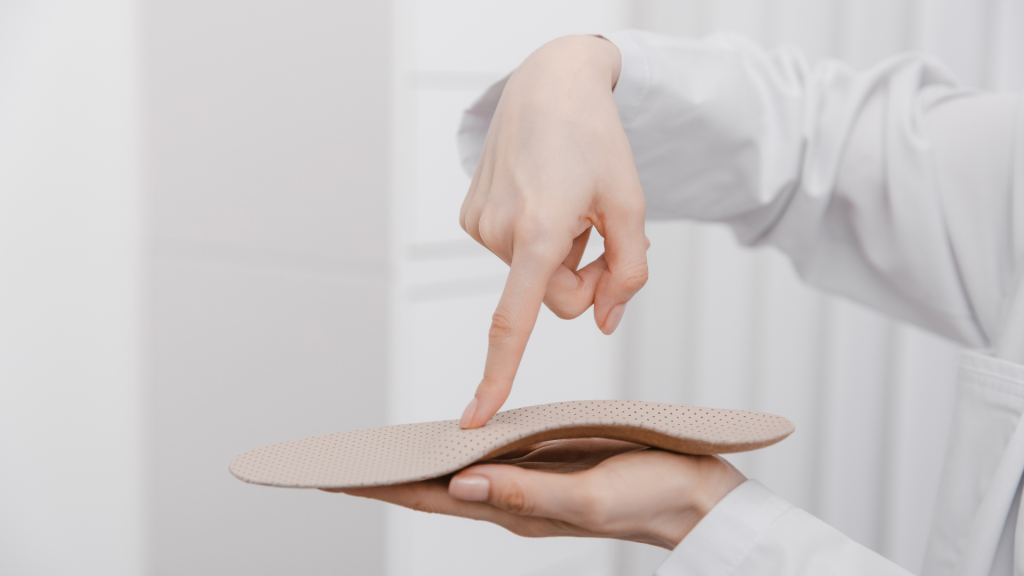
To bring about the desired biomechanical changes in the foot and gait more generally, orthotic insoles must be worn for many hours every day and for several consecutive months.
Movement patterns are slow to change. If you associate your orthotic insole with pain and do not wear it enough, you will not get the expected results.
If you feel any discomfort, contact our specialist staff. They can offer guidance or, less often, adjust your orthotic insoles.