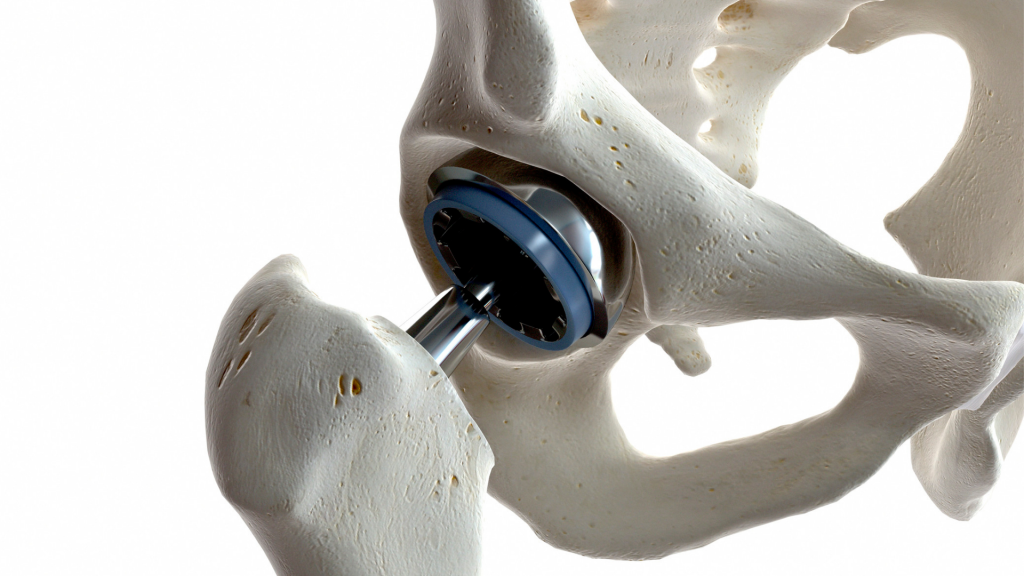
Hip replacement is now considered a routine operation: it is very common and risk-free. Recovery varies from person to person, though most patients follow a broadly similar path.
If you are having a hip replacement, here is what to expect on the way to full recovery.
The day of surgery
After your preoperative tests, you will have your scheduled operation. Surgery usually takes 2–3 hours, followed by another 2 hours to recover from the anaesthetic. You will spend most of the day resting and eating a very light diet. You will be fitted with a graduated compression stocking to prevent blood clots and given medication for pain and infection prevention.
1 –2 days after surgery
During the first 2 days after hip replacement, a physiotherapist will help you mobilise gently using a crutch or walking frame. Working with your treating doctor, they will guide you through controlled movement and walking for 20–30 minutes, 2–3 times a day. Weight-bearing through the operated limb starts very lightly and increases gradually. You will also learn which movements to avoid.
3–4 days after hip replacement
If all has gone well, you should be home and able to get to the toilet without help. Even so, arrange for someone to help you until day 7–8 after surgery; some older patients may need support for several weeks. You will still use a crutch, and pain should lessen each day. Keep standing and mobilising throughout the day. Strengthening of the affected limb and surrounding anatomical structures also begins now.
4–10 days after surgery
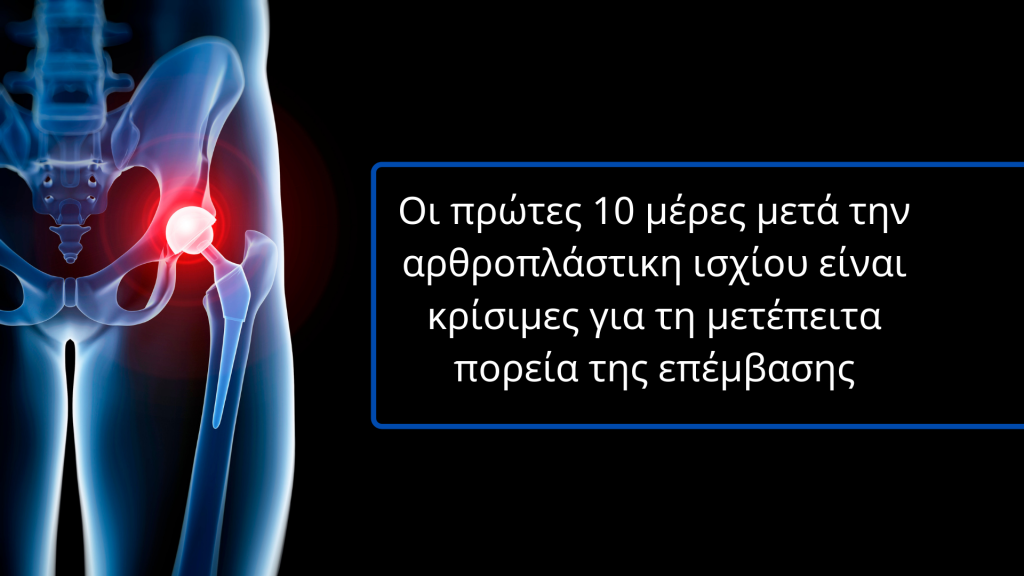
These days are important for your progress after surgery. Follow your doctor’s instructions closely to avoid complications.
As pain eases, you may feel ready for your usual activities. Take care to avoid injury or infection and do not overdo things: your surgery is still recent, and you still have stitches.
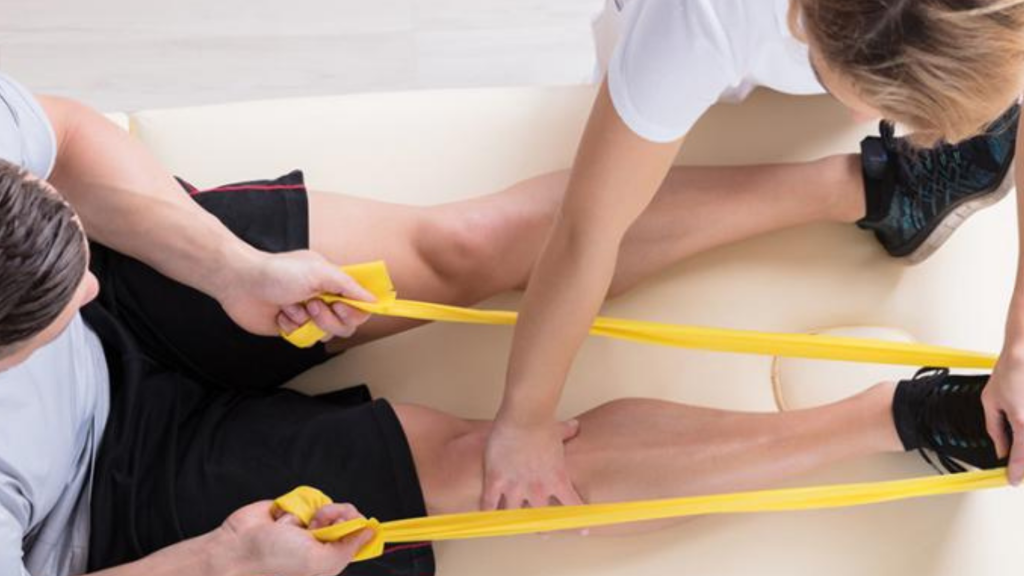
This is also a crucial time to begin rehabilitation at a modern physiotherapy clinic. It will help you move in a more controlled way, learn to live safely with your new hip and noticeably reduce pain.
At ThL, we have specialist therapists and specific rehabilitation protocols for hip replacement.
10–14 days after surgery
Once the surgical wound has healed, your stitches will be removed. Bathing and sleeping should feel more comfortable.
You will begin putting more weight, or even full weight, through your hip. You will probably need very little help from crutches, walking frames or other aids.
Your rehabilitation programme becomes more intensive as you begin returning to your previous routine.
3–6 weeks after hip replacement
The emphasis now shifts to full rehabilitation, strengthening and retraining in basic activities such as walking.
You will also work on neuromuscular coordination, balance and ergonomics, building towards all your pre-surgery activities. You will stop using standing and walking aids altogether. At this stage, consistency with your physiotherapist’s rehabilitation programme is particularly important.
Ideally, join an exercise class supervised by a physiotherapist. ThL offers personalised therapeutic exercise classes. Call us on (tel) to find out more.
10 weeks to 1 year after surgery
Most people have returned to everyday life without pain or discomfort by this stage. The final step towards living comfortably with your new hip for 20 years is gait analysis, looking at how surgery may have changed the way your feet meet the ground. With specialist custom orthotic insoles made by the TherapyLab team, you will be ready to enjoy your new life.