
Neck syndrome is undoubtedly one of the most common conditions associated with modern lifestyles.
Sedentary work, screens, mobile phones and a lack of exercise have driven a sharp increase in neck problems, even at very young ages.
Notably, 30% of the population experiences neck pain each year, while 50% of these people continue to experience discomfort for several months.
At TherapyLab, we believe that prevention is the best treatment, and we offer 3+1 essential tips to avoid neck syndrome.
1. Reduce mobile phone use
On average, we spend a total of 2–3 hours a day using our mobile phones.
This alone is not exactly a problem, but if we observe how we position our heads and necks while using a mobile phone, we can understand why we experience daily discomfort and neck symptoms, including headaches, muscle pain and dizziness.
For every 15 degrees that the head bends forwards, the load on the neck increases by 6–8 kilograms.
This figure is striking and clearly makes it essential to reduce mobile phone use and correct our posture while using it.

2. Adapt your desk to your neck, rather than the other way round
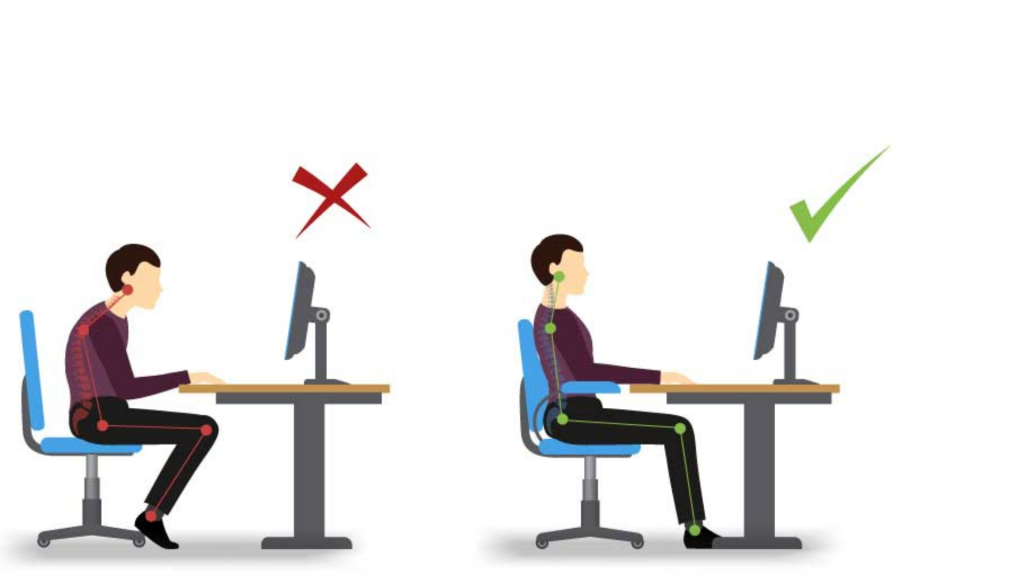
Whether your desk is your workplace or simply somewhere at home where you use your computer, it will need ergonomic adjustments.
The usual, and incorrect, habit is to adapt our head position to the position of the screen, ending up working for hours with our neck rotated and bent.
The correct position is directly in front of the computer screen, with shoulders lowered, elbows at 90 degrees and eyes level with the top of the screen.
Adjust your position today and avoid problems in the future.
3. Exercise regularly and correctly
Regular exercise, ideally for 30 minutes every day, and movement more generally will give you many years of trouble-free neck function.
If you are healthy and want to maintain this level of function, simply pay attention to the type of exercise, your technique and the level of loading to avoid overuse or neck injuries.
If you have neck discomfort or neck syndrome, the recommended approach is personalised therapeutic exercise guided by a physiotherapist.
TherapyLab has excellent therapeutic exercise departments and a wide range of equipment to make exercise enjoyable and effective, helping prevent neck pain and discomfort.
Bonus tip: Sleep well and in the right position
Sleep lets your neck rest and gives your body time to renew itself and heal minor injuries.
A full 6–8 hours of sleep are essential, and your sleeping position matters too.
Use a pillow designed for your own neck, with the right material and height.
Avoid using too many pillows and choose to sleep on your back if possible.
Always support the part of your neck between your shoulders and head adequately.