Plantar fasciitis
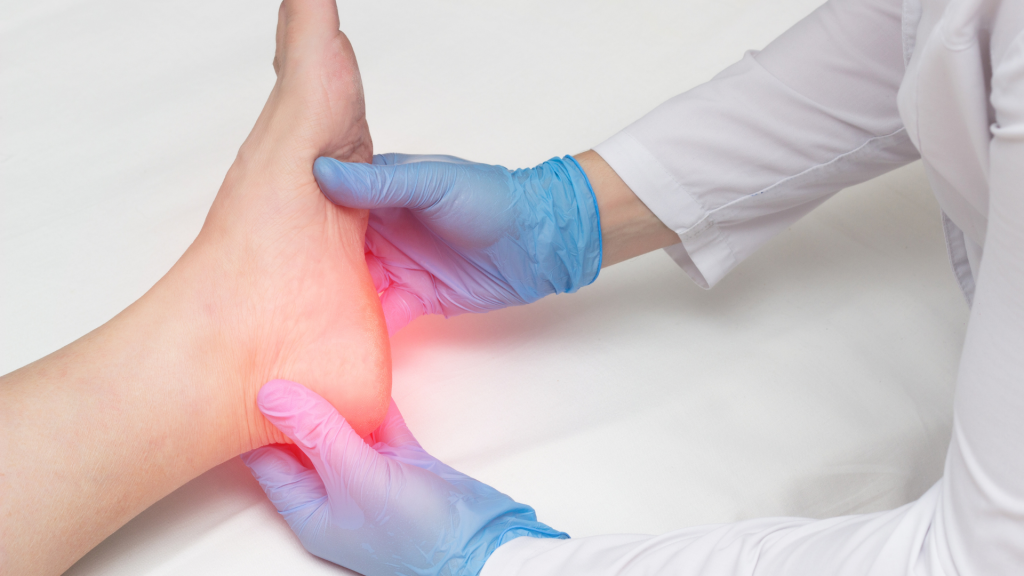
The main symptom of plantar fasciitis is pain beneath the arch of the foot. The pain is much more intense in the morning, during the first weight-bearing steps.
The discomfort is present, often unbearable, and feels like stepping on a painful little stone.
Causes of plantar fasciitis
- A foot with a high arch, also known as pes cavus. The foot’s arch works excessively and is eventually injured.
- A foot with a low or absent arch, also known as flat feet. The arch functions inadequately and eventually lose its properties and becomes injured.
- Trainers that are incorrectly shaped or excessively worn.
- Very tight, inflexible calf muscles.
- Incorrect running technique
- Poor fitness combined with a sudden increase in training intensity.
Management options
- Foot assessment using plantar pressure analysis and fitting of an orthotic insole.
- Reducing training intensity or frequency
- Ice therapy for 20 minutes, 2–3 times a day after exertion.
- Calf stretches
- Massage to the area
- Medication with anti-inflammatory drugs and painkillers
- Replacing footwear with more suitable shoes
Achilles tendinitis
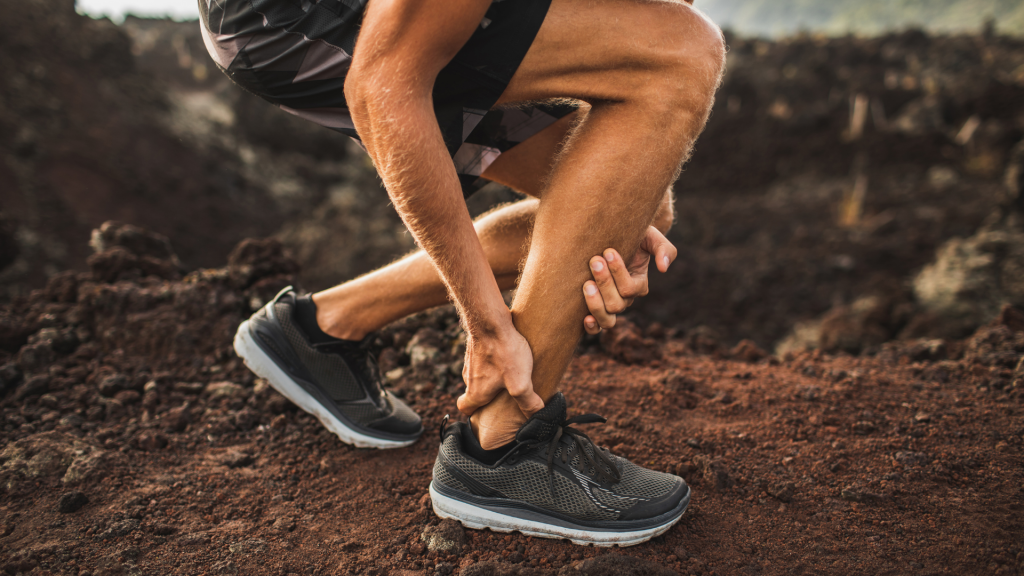
Achilles tendinitis is characterised by pain when walking as the heel contacts the ground. You will also feel this pain when climbing stairs or making sudden starts during sprint racing training.
The pain is more intense in the morning and persists until the muscle gets ‘working’, receives an adequate blood supply and activates its viscoplastic properties.
Causes of Achilles tendinitis
- Excessive training on uphill routes, uneven ground or stairs.
- Tight, inflexible calf muscles.
- Flat feet and, more generally, a low, dysfunctional foot arch.
- The wrong type of footwear
- The wrong type of training or excessive training without adequate rest.
- A sudden increase in training intensity or volume
- Incorrect contact between the foot and the ground due to poor ergonomics.
How can I manage it?
- Avoiding painful activities
- Ice therapy and adequate rest
- Anti-inflammatory medication
- Stretching the calf and the entire lower limb.
- Strengthening and restoring muscle balance throughout the lower limb
- Physiotherapy rehabilitation
- Plantar pressure analysis, biomechanical assessment and manufacture of orthotic insoles with heel and metatarsal support.
- Replacing footwear with more suitable shoes
Runner’s knee
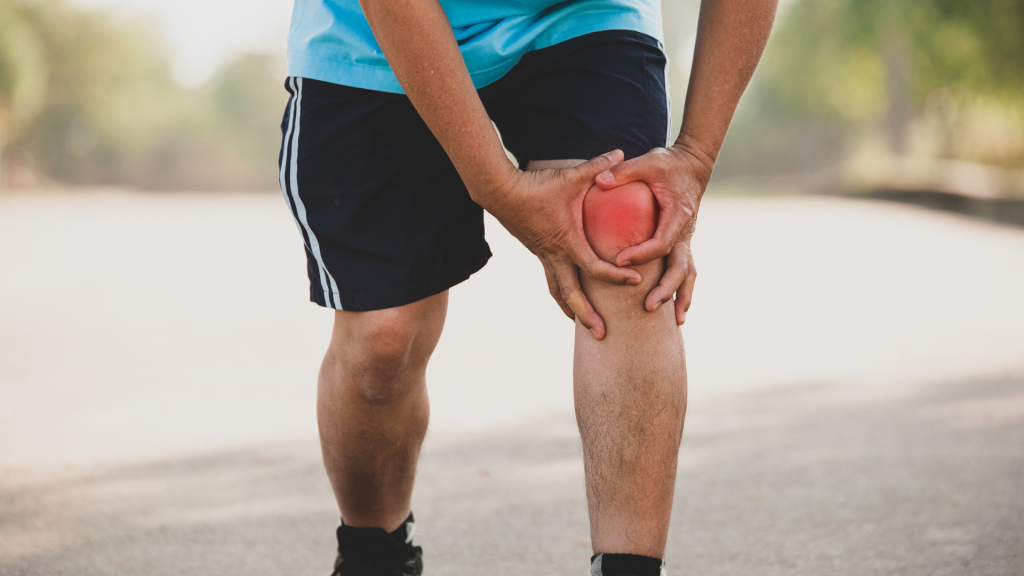
This injury develops slowly and gradually, starting with mild discomfort beneath or around the kneecap.
The discomfort can be mistaken for muscle pain. Because it soon disappears, runners may carry on training at the same level without making changes.
Eventually, the pain becomes intense during any movement that bends the knee and compresses the kneecap.
The knee feels stiff, and the pain increases over time.
Causes of the injury
- Weak or inflexible muscles in the thigh and hip region
- A lowered foot arch and flat feet
- Tight hamstrings and quadriceps due to neglected stretching or muscle imbalance
- Running on uneven or very hard surfaces without appropriate footwear
- Unsuitable or excessively worn footwear without cushioning
- Excessive training with deep squats and very heavy weights.
- Poor foot biomechanics, with incorrect angles of movement and inadequate absorption of tensile forces during training.
Managing runner’s knee syndrome
- Avoid activities involving deep knee bending.
- Improve running and exercise technique through biomechanical analysis by a physiotherapist and targeted strengthening.
- Ice therapy after activities
- Prevention and prompt management in the early stages of the injury. If you feel even slight discomfort around your kneecap, consult your physiotherapist immediately.
- Adequate stretching throughout the lower limb’s biomechanical chain
- Analysis and restoration of muscle balance between the anterior and posterior muscles of the lower limb.
- Correction of lower limb deviations using plantar pressure analysis, movement analysis and an orthotic insole.
- Avoid hard or uneven training surfaces for a while.
- Replacing footwear
- Proprioception and balance training
Iliotibial band syndrome
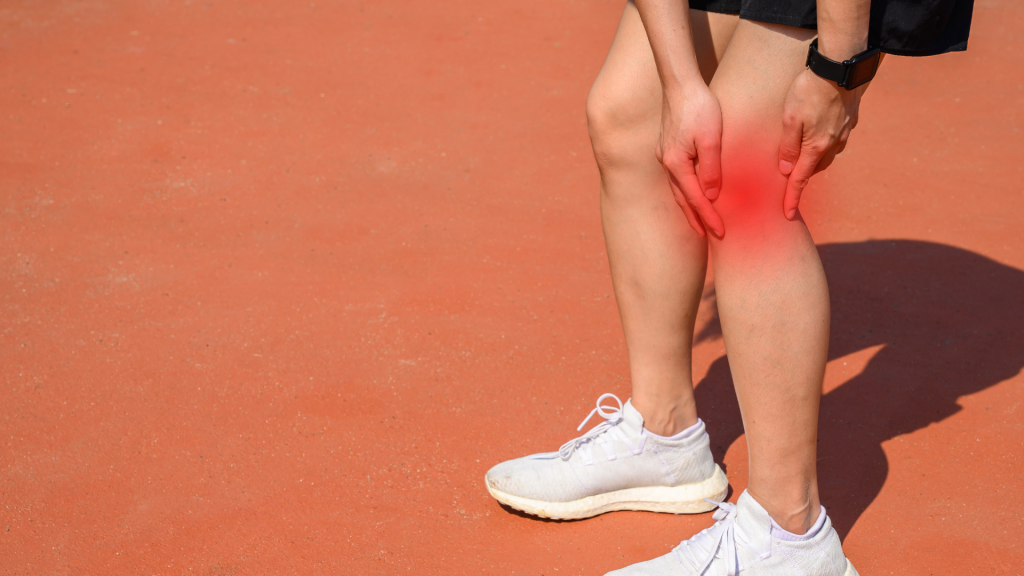
This type of injury produces characteristic pain on the outside of the knee during running.
Less commonly, pain may occur on the outside of the hip.
Pain from iliotibial band syndrome usually occurs during slow running, uphill running or running up the stairs.
Causes of iliotibial band syndrome.
- Training on uneven ground or sudden changes in ground hardness
- Abnormal foot arch function, such as high arches or flat feet
- Training errors involving incorrect technique or training intensity
- Shoes that promote overpronation without a biomechanical reason
- Weak hip abductor and extensor muscles
- Tight, inflexible muscles around the hip
- A sudden switch from treadmill training to training on hard ground
Treatment
- Modifying training and switching to softer ground
- Strengthening the hip abductors and extensors
- Local application of ice
- Anti-inflammatory drugs/painkillers
- Massage, both superficial and deep, along the entire outer side of the limb, from the hip to the knee
- Gentle stretching of the iliotibial band
- Correction of biomechanical deviations in the foot with an orthotic insole