TherapyLab Success Story:
Clinical monitoring and effective patient communication
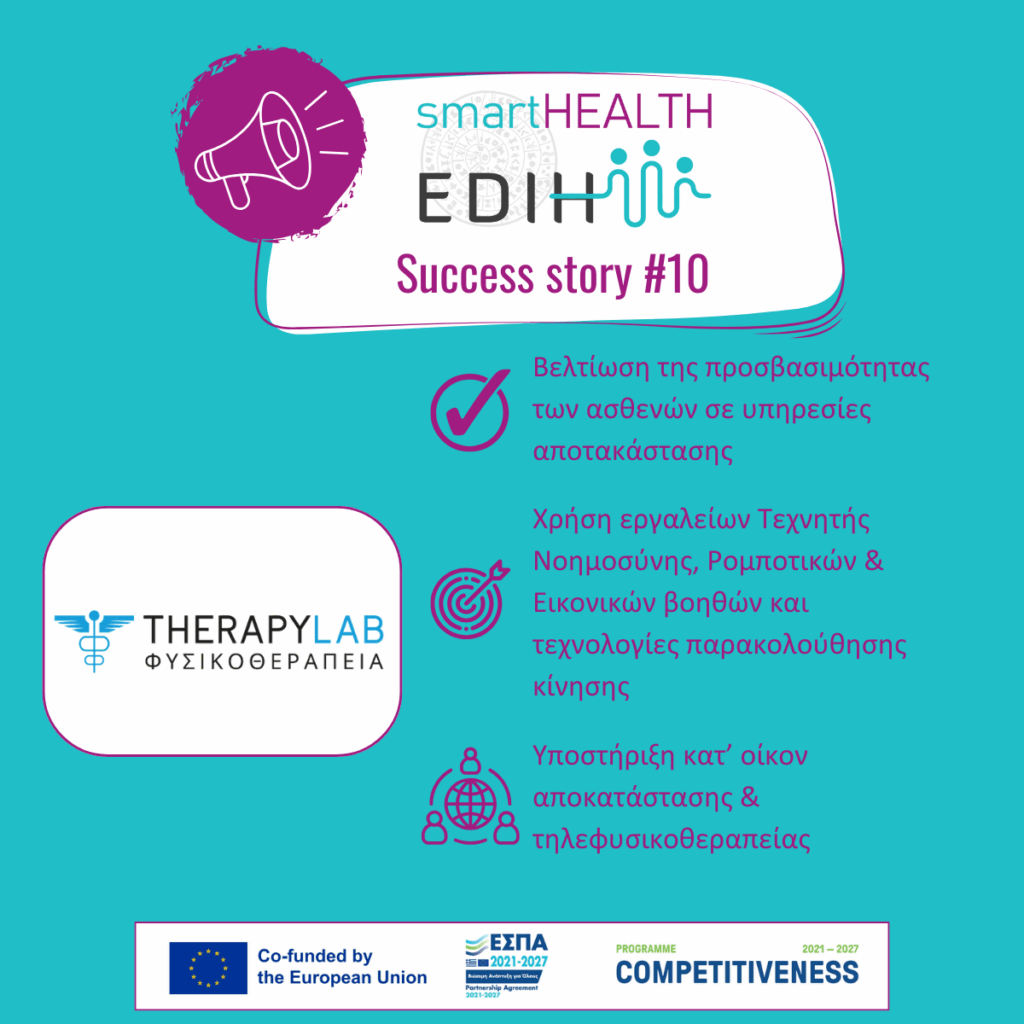
TherapyLab’s collaboration with smartHEALTH is another success story, addressing patient access to clinic services, Artificial Intelligence tools in therapeutic practice, home rehabilitation and telerehabilitation.
Key Information
TherapyLab takes a holistic approach to the long-term management and rehabilitation of injuries and conditions, alongside short-term symptom reduction. The first phase of rehabilitation reduces symptoms; the second maintains results and helps prevent reinjury. Our network comprises 14 physiotherapy clinics in Attica and Evia. Through a well-organised franchise system, we help young physiotherapists start their healthcare careers with guidance and ongoing scientific and administrative support from an established team of experienced professionals. They can share their passion for their science with patients and deliver a carefully planned, comprehensive rehabilitation programme with empathy. Our holistic approach to recovery and care includes monitoring progress long after treatment has finished.
- Technologies Used: Human-centred design, human–machine communication
- Collaboration Period: September 2024 – November 2024, February 2025 – September 2025
- Services Provided: IT services, rehabilitation services using robotic assistants, and consultancy services
The Challenge
The first stage of TherapyLab’s collaboration with the Embodied Interaction and Robotics Department of the Institute for Language and Speech Processing (ILSP) at the Athena Research Centre identified several needs that the smartHEALTH hub could address. These included applications and practices to improve patient access to TherapyLab physiotherapy clinics, Artificial Intelligence tools to support service delivery, and home rehabilitation and telerehabilitation for areas with limited access and between face-to-face physiotherapy sessions.
The Solutions
To address TherapyLab’s needs in patient access to clinic services, the use of Artificial Intelligence tools in clinical practice, home rehabilitation and telephysiotherapy, researchers from the Embodied Interaction and Robotics Department of the
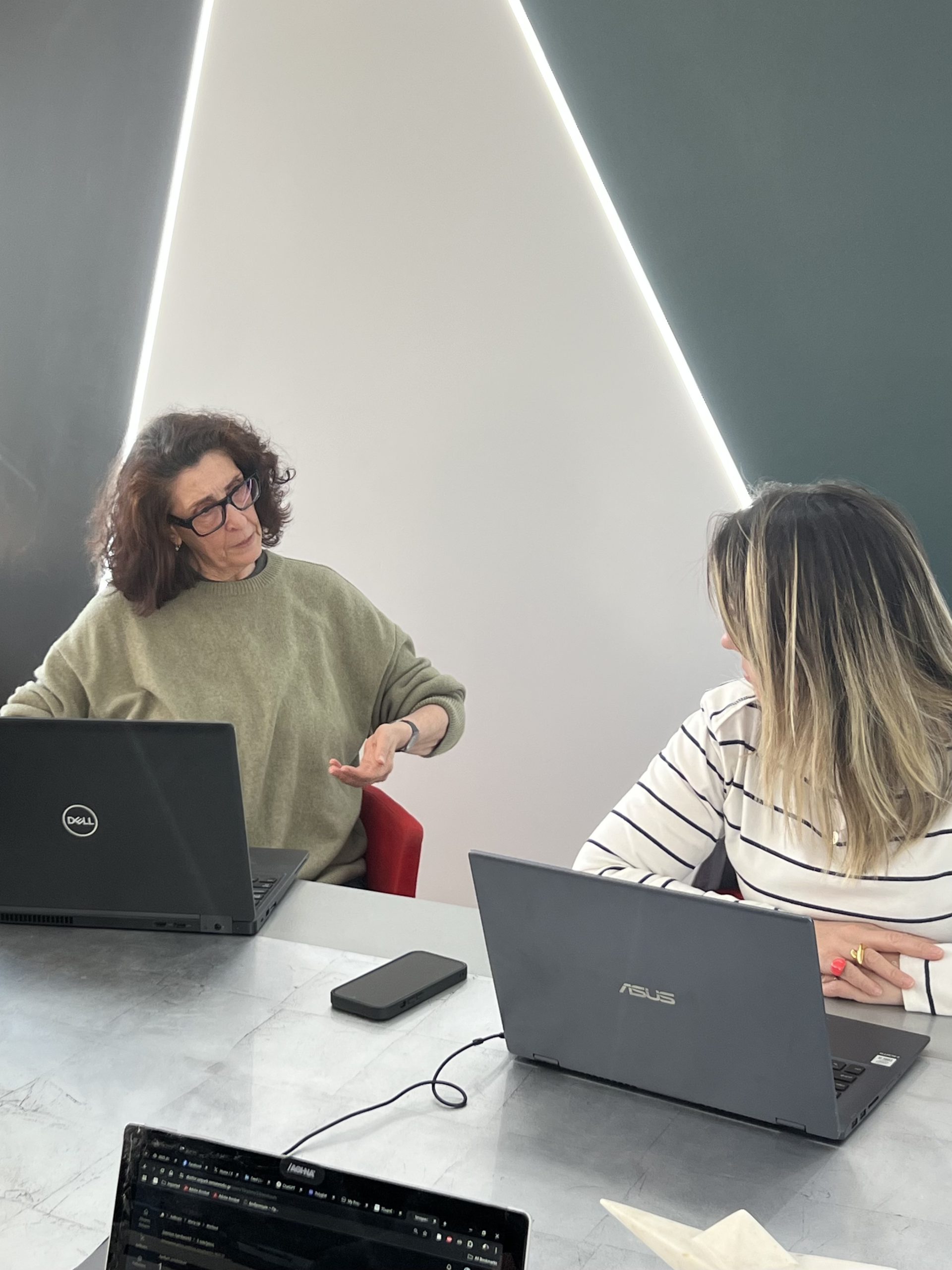
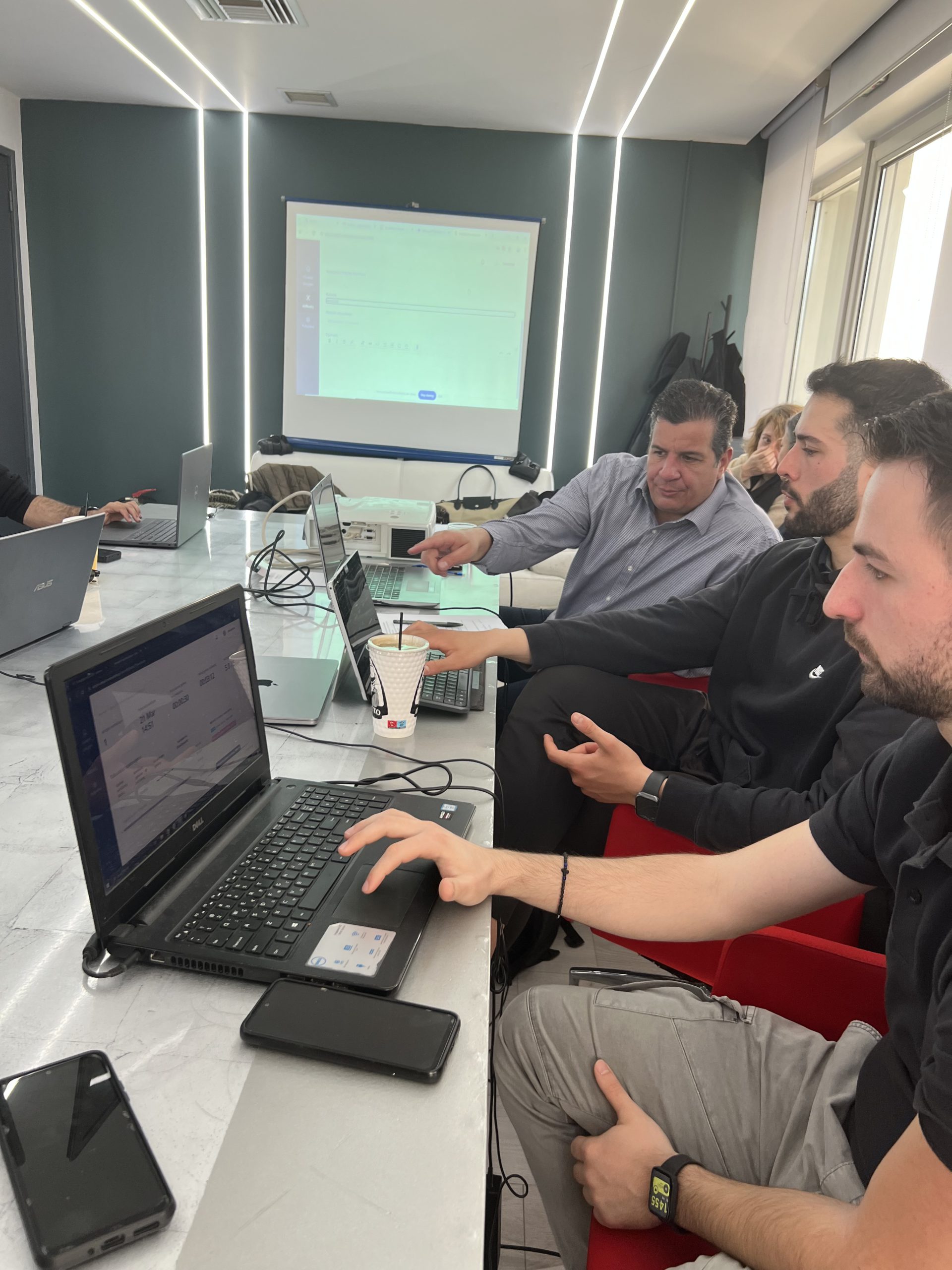
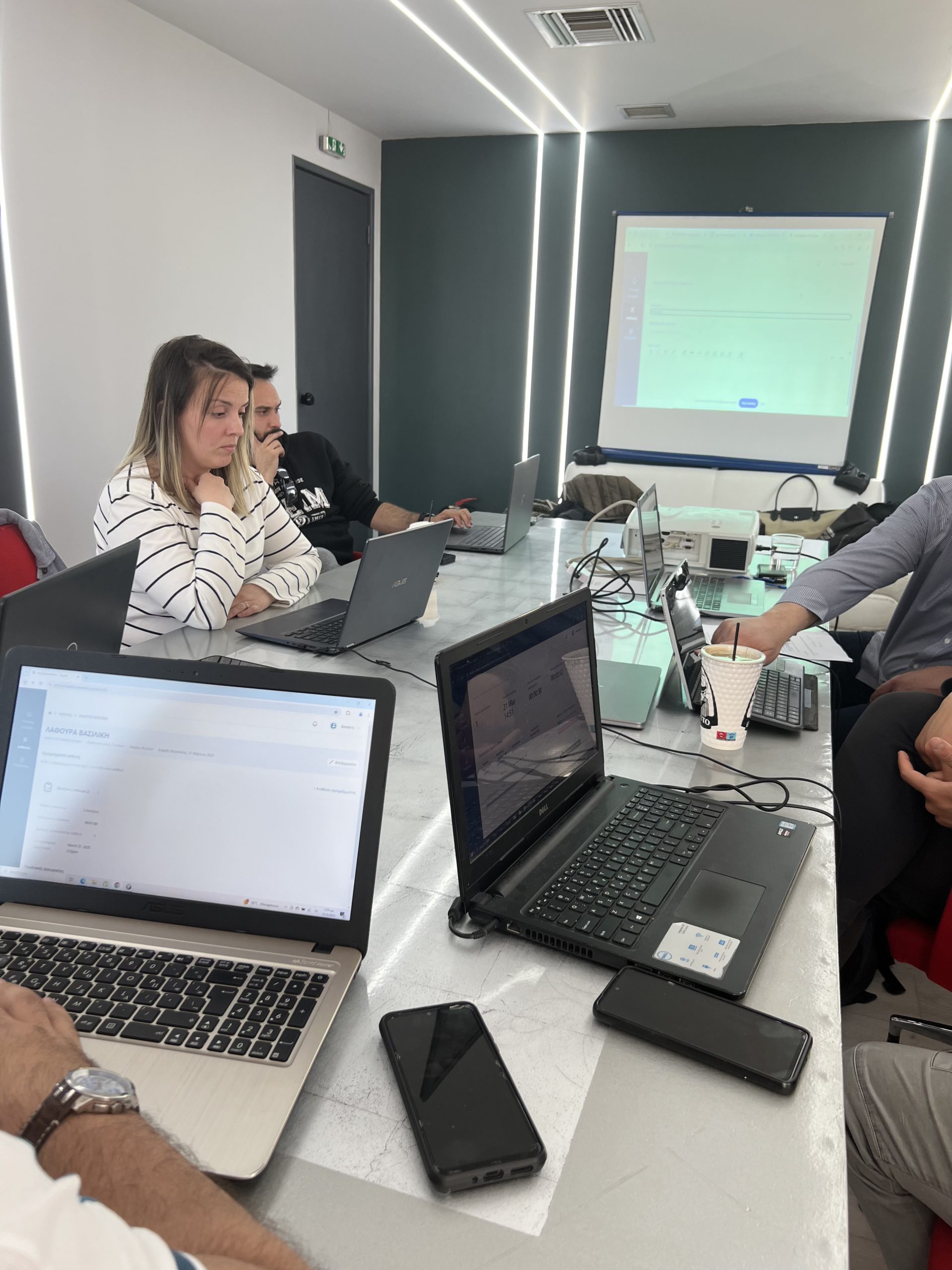
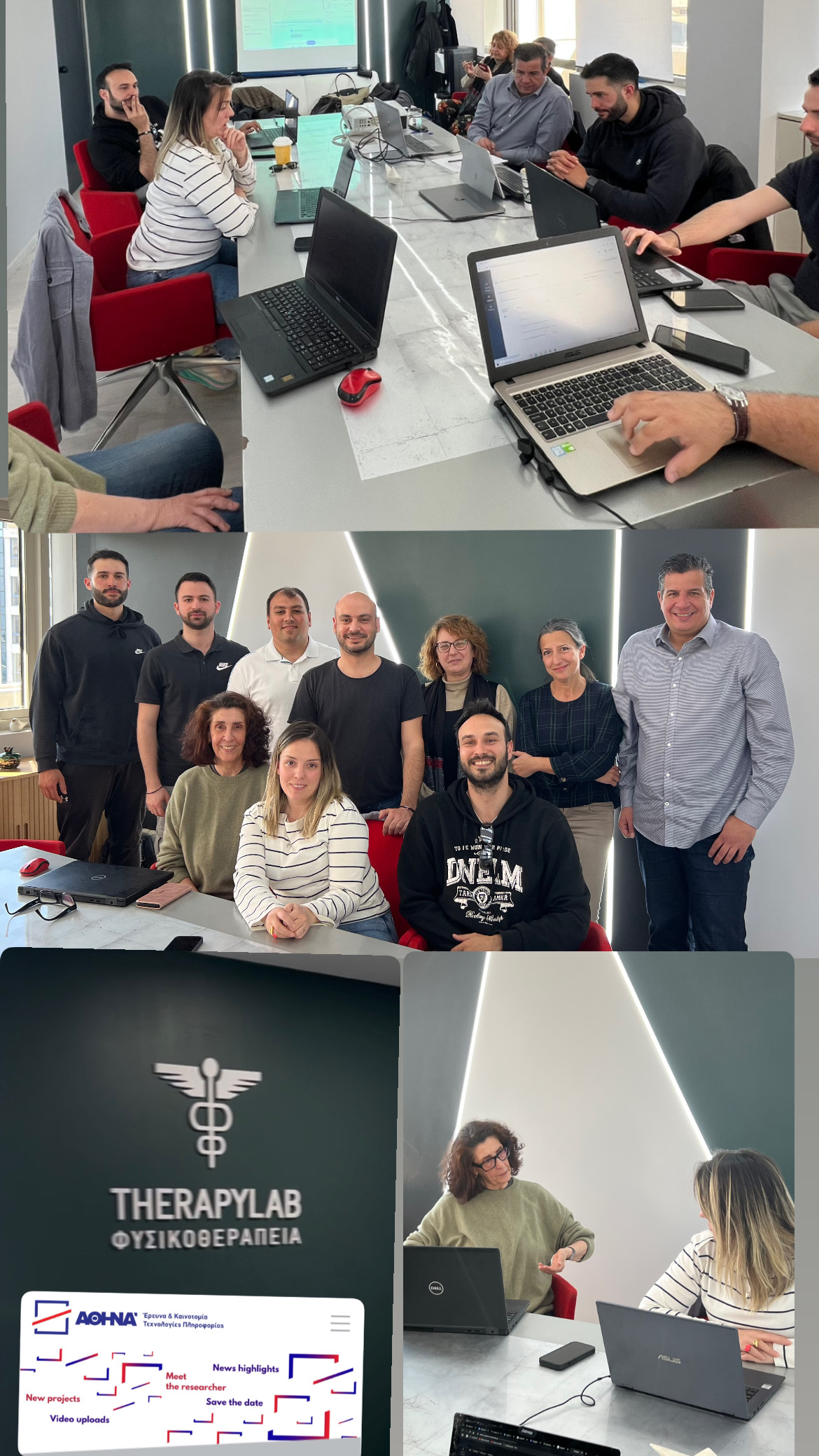
Athena Research Centre delivered a series of information and training seminars and demonstrations of representative tools and applications. Specifically, they presented example environments for patients with mobility and mild cognitive impairments to access rehabilitation services using robotic assistants. TherapyLab was also informed about current technologies that improve access to content for specific population groups, including blind, deaf and hard-of-hearing people. Solutions using Artificial Intelligence tools, such as chatbots and virtual assistants, were also presented. Finally, consultancy services were provided on effectively monitoring patients’ performance during telephysiotherapy programmes, covering motion-tracking and skeletal-data recording technologies and the development of personalised physiotherapy rehabilitation programmes.
Implementation
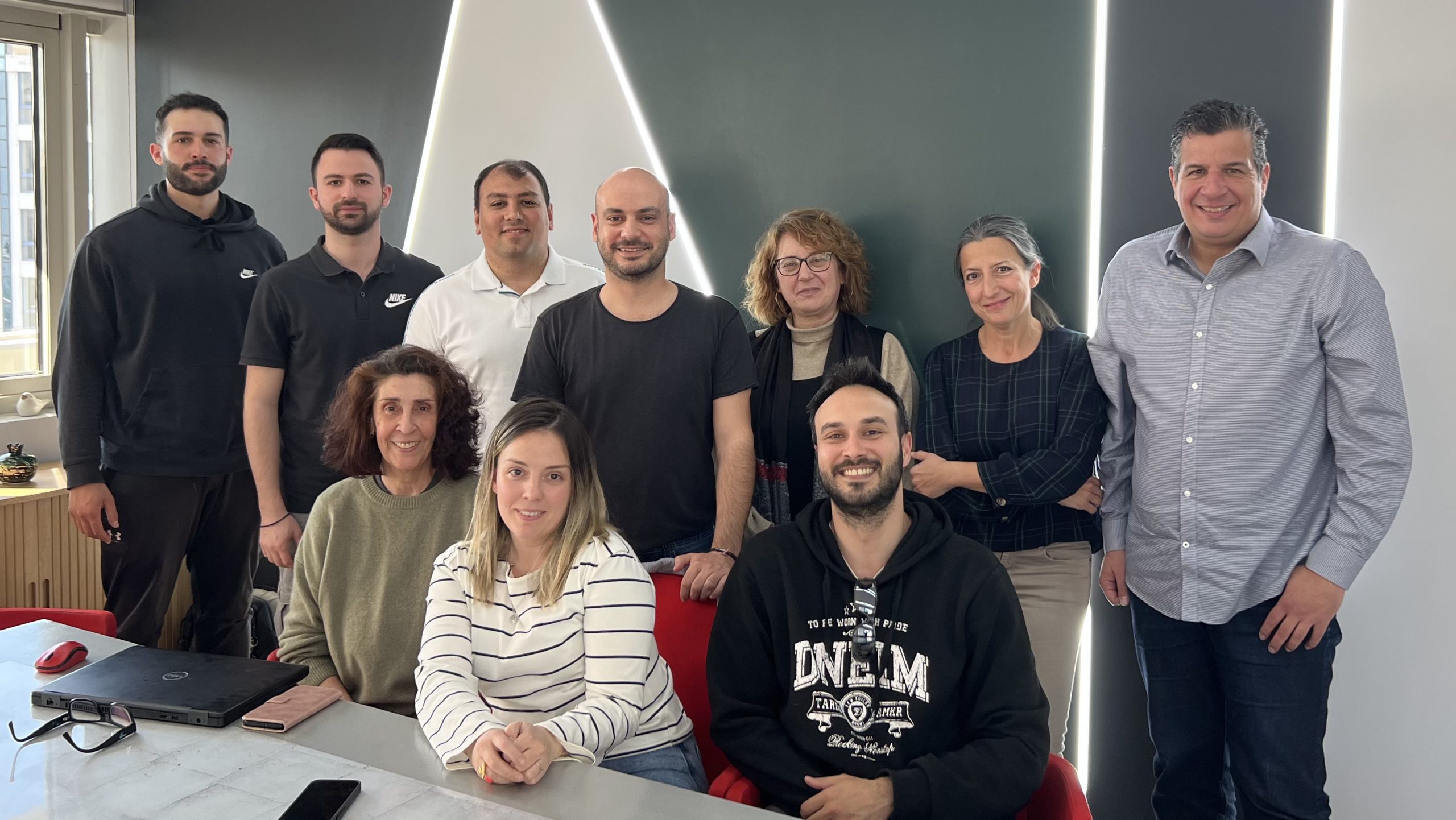
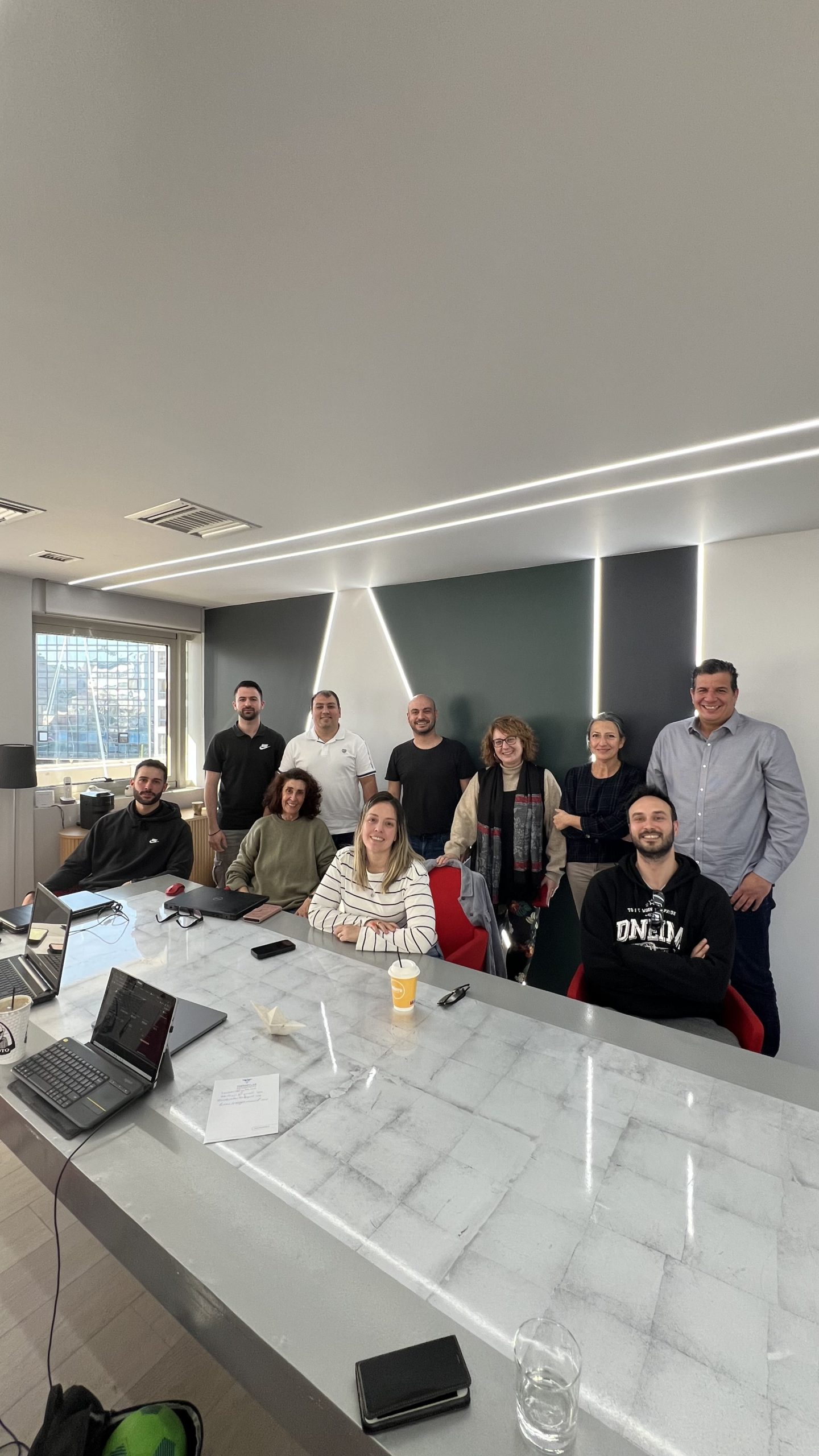
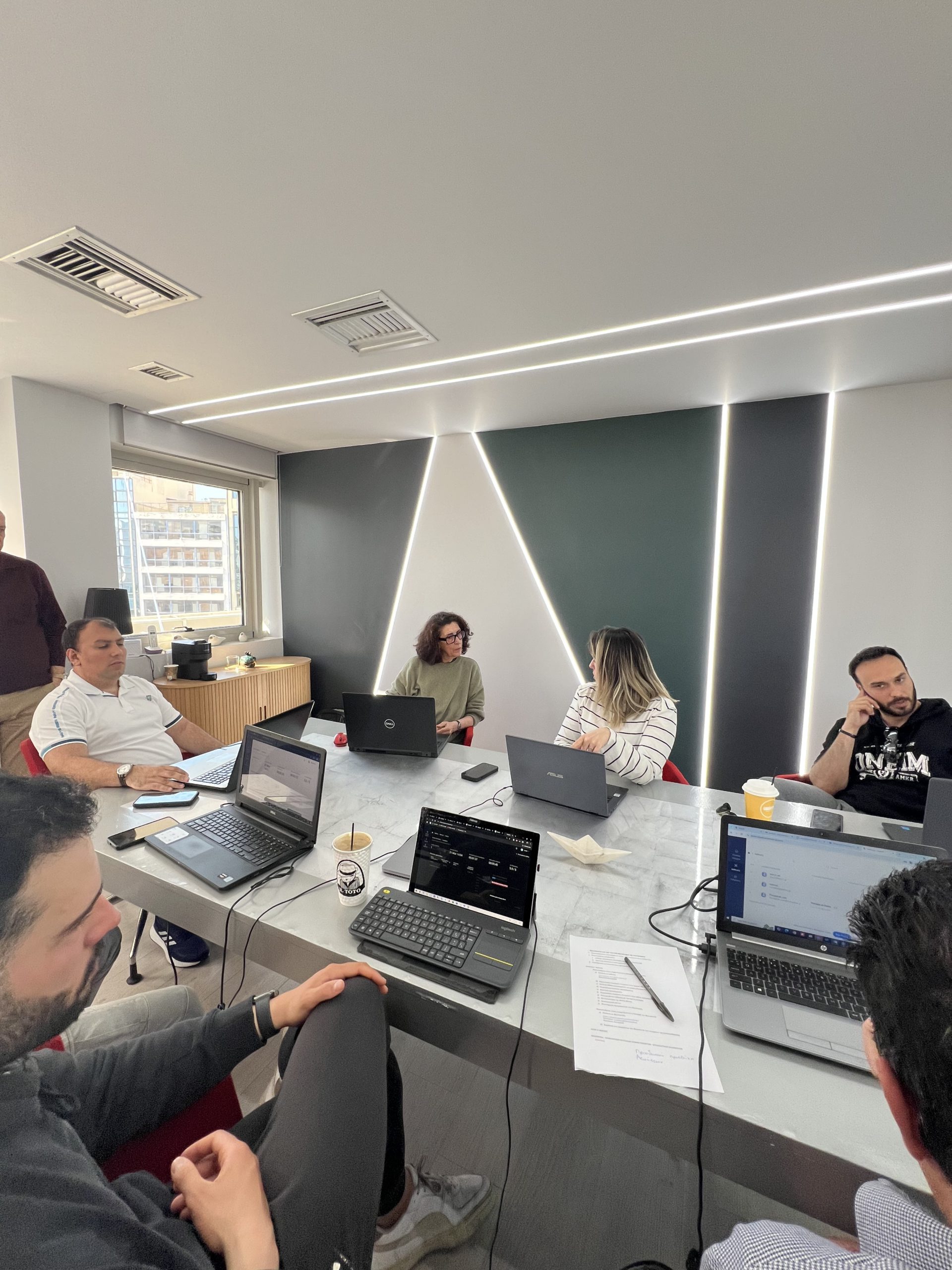
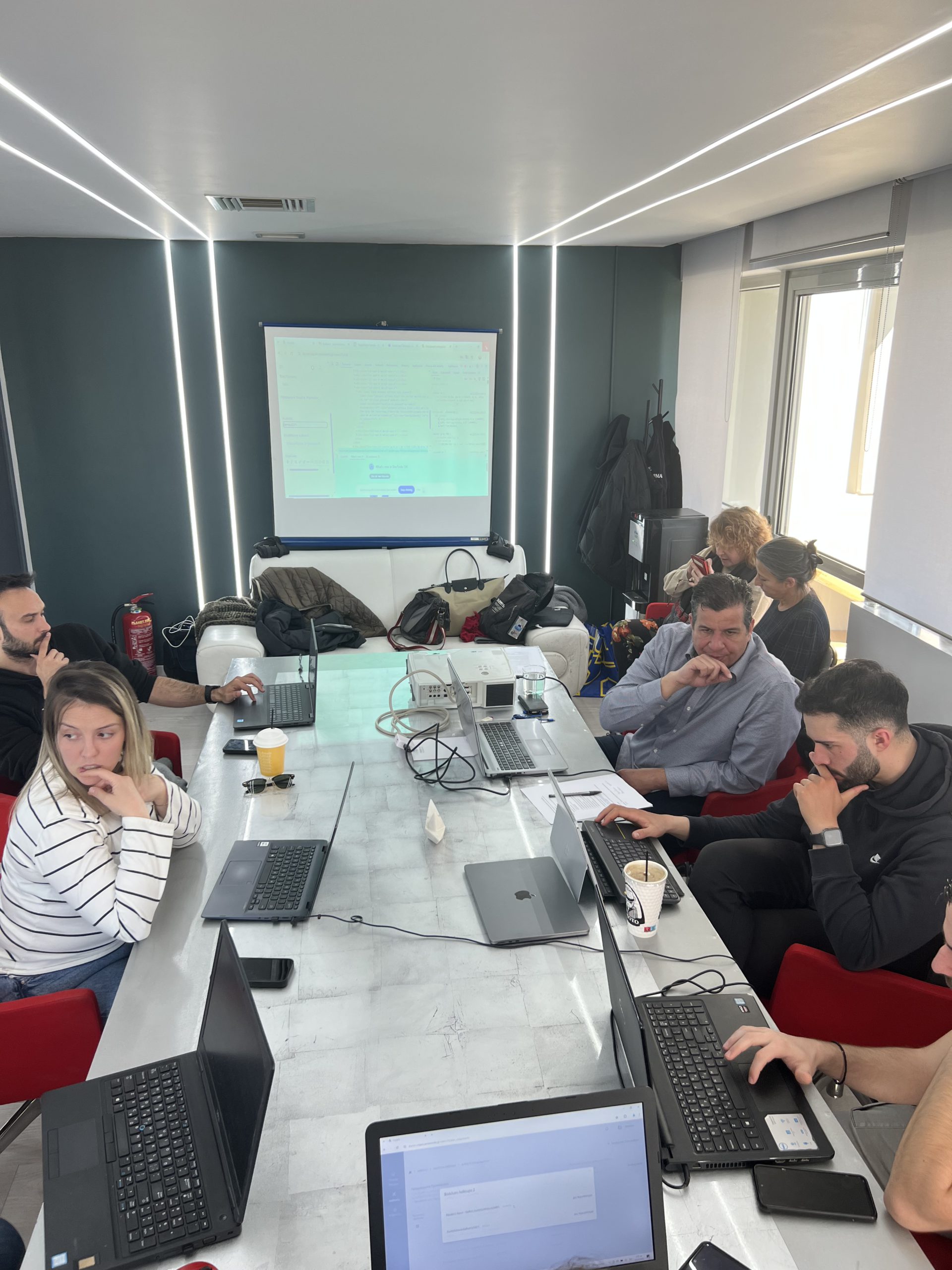
Researchers from the Embodied Interaction and Robotics Department at the Athena Research Centre met regularly with TherapyLab, both on site and online, to track progress. They first explored TherapyLab’s existing procedures and practices and identified needs together. After studying those needs, they agreed the content of the next phase: information sessions presenting and demonstrating the solutions described above. The work was documented in a digital readiness report and a description of solution provision. Alongside the consultancy, an on-site study examined the potential to create multimedia material for exercises and physiotherapy rehabilitation programmes, considering filming distances, lighting and sound reflections.
The Benefits
The collaboration introduced TherapyLab and its associates to current technologies that help patients with motor and mild cognitive difficulties access rehabilitation, including robotic assistants and Artificial Intelligence tools such as chatbots. Consultancy and demonstrations explored more effective patient performance monitoring during physiotherapy rehabilitation programmes, using motion-tracking and skeletal-data recording technologies and personalised programmes. TherapyLab also learnt about the full range of smartHEALTH hub services.
Lessons Learned
The main factor that facilitated collaboration between researchers from the Embodied Interaction and Robotics Department of the Athena Research Centre and TherapyLab was regular communication, particularly when conducted in person. One choice we would not repeat was prolonged remote meetings, as these were found not to facilitate communication. Both personal contact and observation of TherapyLab and its associate’s in real working conditions enabled the researchers to confirm and further refine their understanding
of its needs, resulting in faster and more effective delivery of the service. Another factor that facilitated communication was providing timely and appropriate information to the associates who participated in the consultancy and demonstration sessions, enabling them to incorporate the outcomes of these sessions in a way that matched the quality of TherapyLab’s services. At the same time, researchers from the Embodied Interaction and Robotics Department of the Athena Research Centre and TherapyLab were able to make full use of the smartHEALTH network’s infrastructure and support.