


Clinical Pilates in Rehabilitation
An Evidence-Based Approach for Physiotherapists

Programme Information
Format: Blended learning – Intensive face-to-face training with asynchronous e-learning
Duration: 60 hours (48 face-to-face + 12 asynchronous learning)
Structure: 3 parts (two-day seminars & learning materials), winter or spring semester
Teaching languages: Greek or English
Countries of delivery: Greece & Cyprus
Number of participants: Maximum 19 people
Participants: Exclusively for physiotherapists
CPD programme approved by World Physiotherapy – the global organisation for physiotherapy
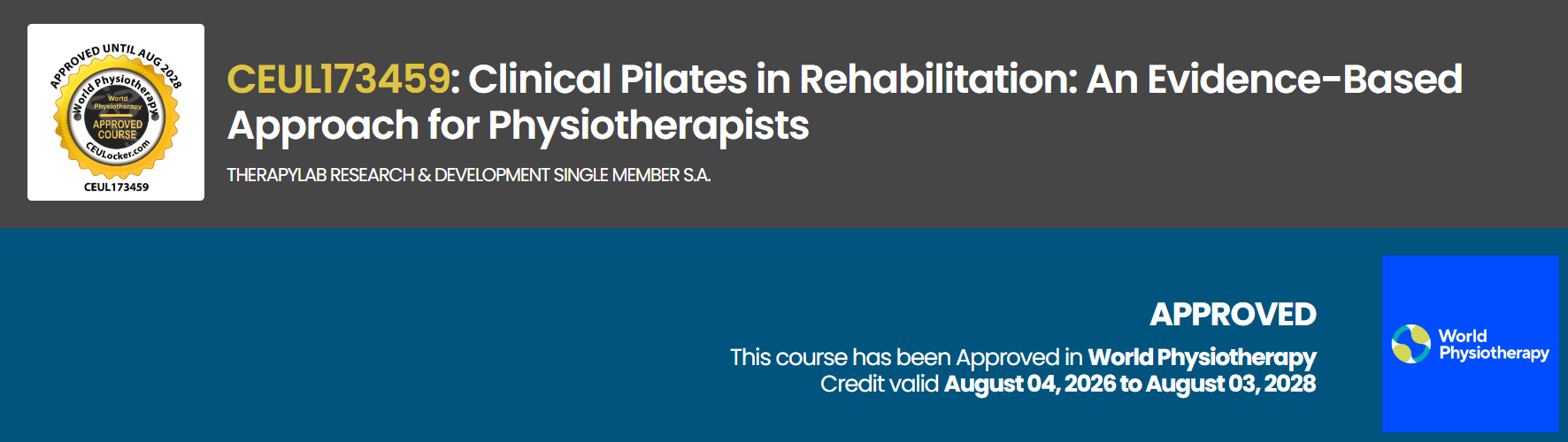
The continuing professional development (CPD) programme “Clinical Pilates in Rehabilitation: An Evidence-Based Approach for Physiotherapists” has been approved by World Physiotherapy for 60 hours of World Physiotherapy CEUs.
Approved CPD programme code: CEUL173459
View the official approval here:
https://app.ceulocker.com/continuing-education/approved-course-information.cfm?ceulid=CEUL173459
Content
Clinical Pilates in Rehabilitation is an evidence-based specialist programme for physiotherapists, focused on motor control, the integration of myofascial lines and clinical reasoning.
Across three modules, participants learn a progressive Clinical Pilates exercise system, including indications, contraindications, modifications, clinical applications and contemporary teaching methods.
The programme provides in-depth training in assessment, drawing on motor control stages, functional levels, motor development and myofascial line patterns.
Clinical reasoning runs throughout, helping participants design individualised Clinical Pilates programmes for one-to-one and group sessions.
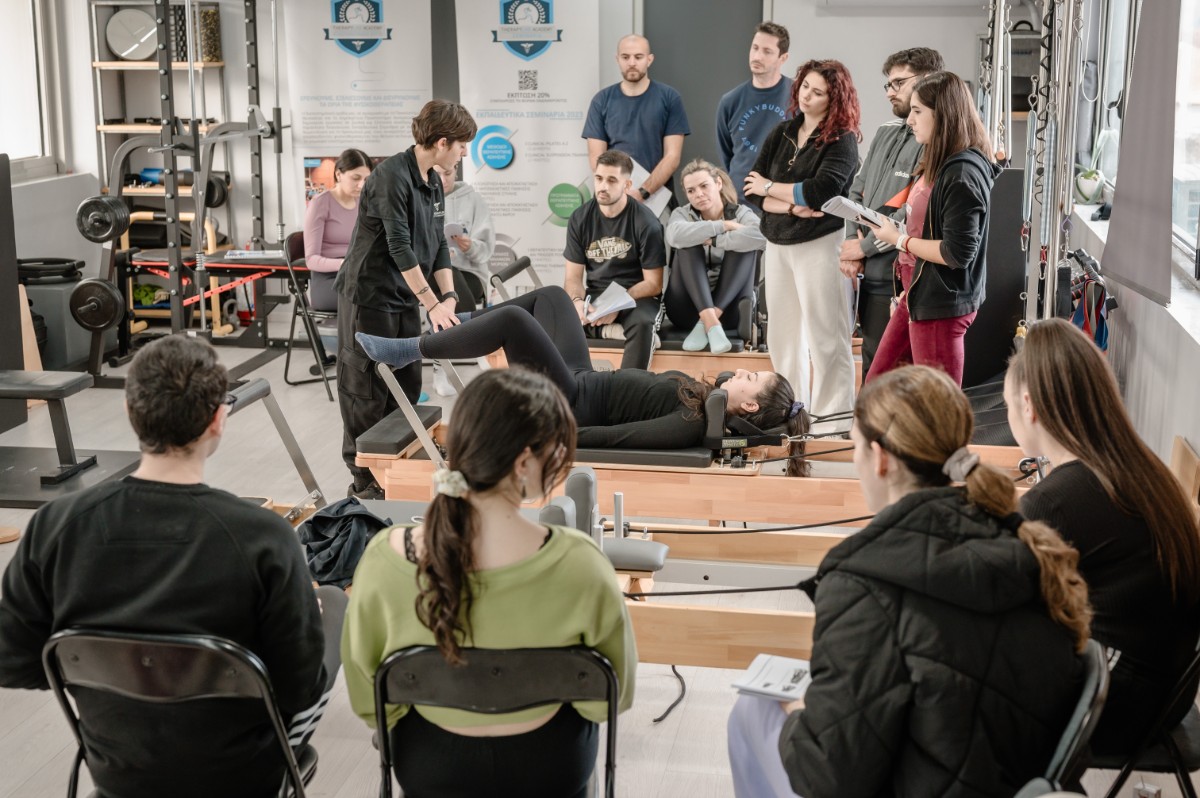
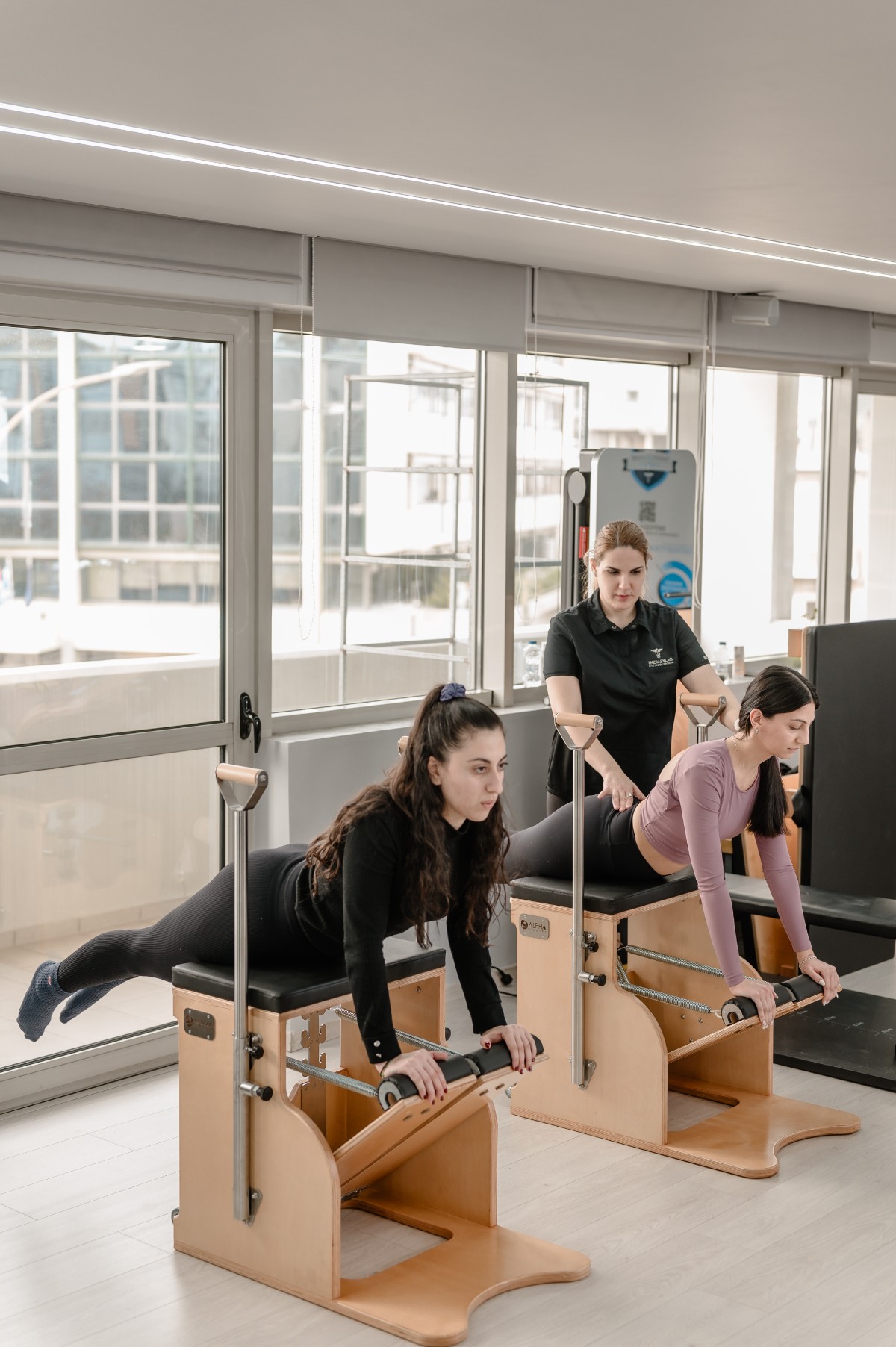
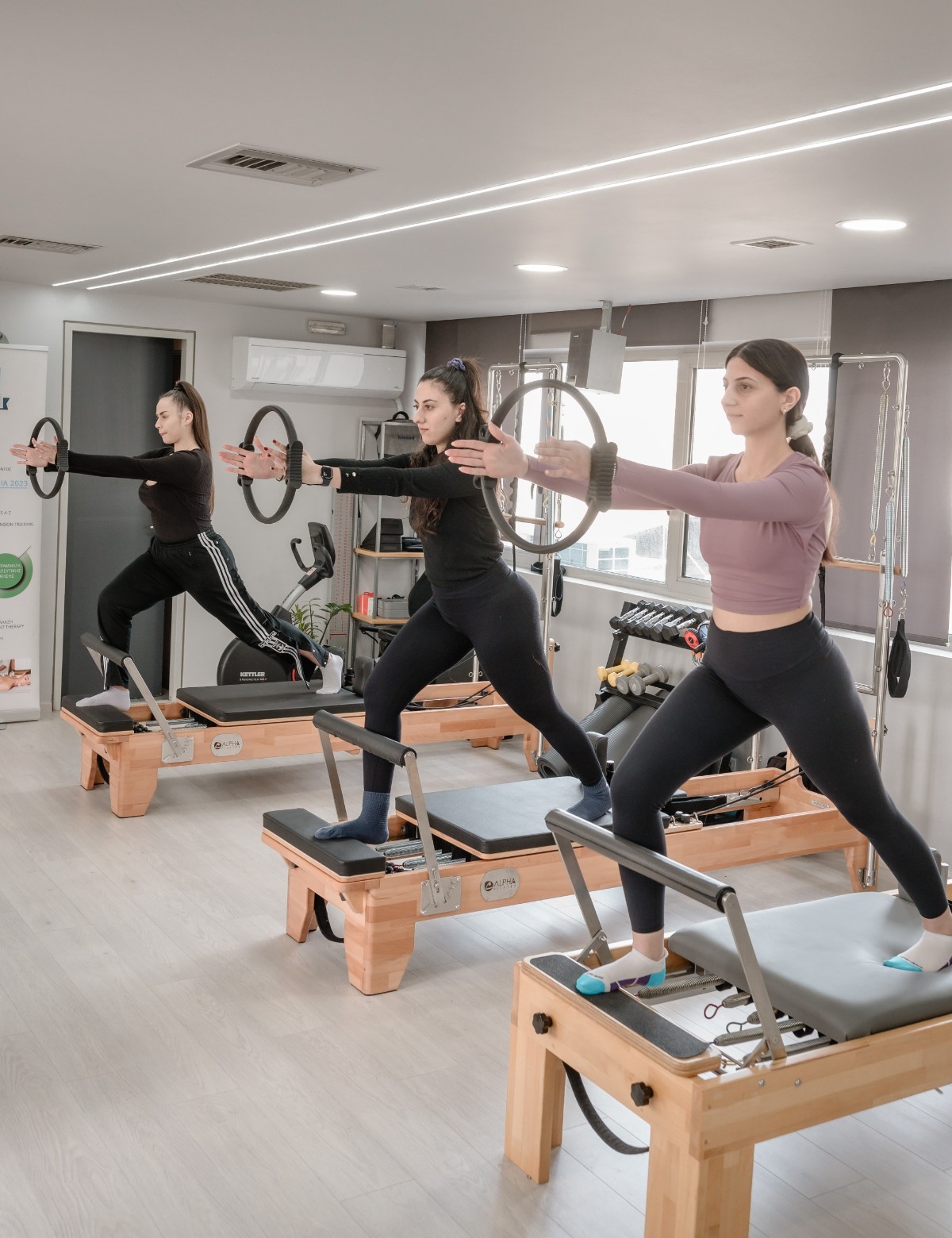
Participants gain practical experience in Matwork and small equipment (Pilates rings, resistance bands, weights, foam rollers, balance discs, Swiss balls and massage balls), as well as the clinical use of large equipment (Reformer, Tower and Chair) in rehabilitation.
Clinical case studies cover musculoskeletal conditions, sports rehabilitation, functional disorders, neurological conditions, pregnancy, pelvic floor disorders and special populations. They give participants the knowledge and practical tools to use Clinical Pilates safely and effectively in clinical practice.
Learning Outcomes
The training programme in the Clinical Pilates therapeutic exercise method enables physiotherapists to achieve the following learning outcomes:
- Understand the theoretical foundations of Clinical Pilates and the scientific evidence supporting the method through current literature
- Understand and teach the key principles of Clinical Pilates
- Develop skills in movement and functional assessment
- Identify and assess movement dysfunctions of the spine and peripheral limbs
- Apply clinical reasoning and set individualised goals to organise and implement an appropriate rehabilitation plan based on the 4 levels of Clinical Pilates assessment
- Develop a progressive rehabilitation programme based on Clinical Pilates exercises: warm-up, low- and high-load exercises – activation of stabilising and mobilising muscles, strengthening, balance, neuromuscular coordination and cool-down
- Understand the approaches to motor control, muscle balance, motor learning and myofascial chains, and how they are integrated into Clinical Pilates interventions
- Reassess and adapt their programme to achieve the best clinical outcomes
- Apply Clinical Pilates exercises on a mat, with small equipment (rings, resistance bands, weights, foam rollers, Swiss balls, tonic balls,) and large equipment (Reformer–Tower–Chair), safely and step by step – understanding movement analysis and key precautions, modifications, indications, contraindications, objectives and progression
- Design and teach therapeutic exercise programmes in small classes
- Select the programme and exercises according to the patient’s stage of recovery, pain, pathology and functional level.
- Assess and develop a rehabilitation plan using Clinical Pilates for musculoskeletal problems of the spine and peripheral limbs, neurological cases, special populations, pregnancy, pelvic floor disorders and athletes
Programme – Topics & Hours
Clinical Pilates in Rehabilitation
An Evidence-Based Approach for Physiotherapists
| Section | Face-to-Face | Asynchronous | Total |
|---|---|---|---|
| Part A | 16 hours | 4 hours | 20 hours |
| Part B | 16 hours | 4 hours | 20 hours |
| Part C | 16 hours | 4 hours | 20 hours |
| Total Programme | 48 hours | 12 hours | 60 hours |
Face-to-face teaching hours do not include scheduled breaks. The total learning time is 60 hours.
PART A
Clinical Pilates Matwork Basic – Advanced / Βασικές Αρχές και Κλινικός Συλλογισμός
Day 1 9.00 – 18.00
- Introduction to Pilates – What distinguishes Clinical Pilates
- Key principles of Clinical Pilates
- Scientific evidence – Literature
- Muscle balance – Motor learning
- Basic mat exercises
- Objectives, selection, progression, indications/contraindications, modifications (basic exercises)
Day 2 9.00 – 18.00
- Advanced mat exercises
- Objectives, selection, progression, indications/contraindications, modifications (advanced)
- Clinical case analysis (Case Studies)
- Discussion – Group work / feedback
- Asynchronous Learning – Literature Review
PART B
Clinical Pilates Assessment & Rehabilitation / Small Equipment / Classes / Musculoskeletal Cases / Sports Rehabilitation
Day 1 9.00 – 18.00
- Clinical reasoning & Clinical Pilates
- Creating an assessment form
- Low- and high-load assessment & flexibility assessment (spine, pelvis, upper limbs, lower limbs)
- Motor control – Motor development – Myofascial chains
- Developing a rehabilitation plan
- Programme development & progression
Day 2 9.00 – 18.00
- Small equipment: theory, correct use, modifications
- Exercises using rings, foam rollers, resistance bands, weights, gliding discs, balance equipment and balls
- Teaching methods – Classes
- Warm-up & cool-down
- Stretching & relaxation methods
- Case Studies – Musculoskeletal injuries and conditions of the cervical spine, thoracic spine, shoulder girdle, shoulder, elbow and hand
- Case Studies – Musculoskeletal injuries and conditions of the lumbar spine & pelvis, hip, knee and foot
- Sports Rehabilitation & Clinical Pilates applications
- Discussion Asynchronous Learning – Clinical Project – Assessment Form and Rehabilitation Programme
PART C
Reformer/Tower/Chair / Pregnancy / Neurological Cases / Special Populations / Rehabilitation Programmes
Day 1 9.00 – 18.00
- Reformer & Tower I, II: theory, correct use, indications/contraindications
- Reformer & Tower I: objectives, modifications & exercise application
- Reformer & Tower II: objectives, modifications & exercise application
Day 2 9.00 – 18.00
- Case studies – Pelvic floor disorders, postmenopausal phase, pregnancy
- Case studies – Neurological conditions
- Case studies – Special Populations (scoliosis, rheumatic conditions, chronic pain)
- Discussion – Group work / feedback
- Asynchronous Learning – Literature Review
Learning Objectives
On successful completion of the programme, participants will be able to:
1 – Clinical assessment: Conduct a structured, person-centred functional assessment relevant to the clinical application of Pilates, identifying movement disorders, functional limitations, precautions and rehabilitation priorities.
2 – Exercise application: Select, teach and safely apply appropriate Clinical Pilates exercises on a mat and equipment, according to the individual’s clinical presentation and functional goals.
3 – Programme design: Design an individualised, progressive, evidence-based Clinical Pilates rehabilitation programme, incorporating dosage, progression, regression and outcome monitoring.
4 – Clinical reasoning and adaptation: Demonstrate clinical reasoning when adapting Clinical Pilates interventions for musculoskeletal and neurological populations, pregnancy and the postnatal period, athletes and other relevant clinical groups.
5 – Evidence-based practice: Critically integrate current scientific evidence, clinical experience, patient preferences and safety considerations into Clinical Pilates assessment and intervention.
Structured asynchronous learning
| The programme includes 12 hours of structured asynchronous learning: four hours for each module. For each module, participants receive a targeted reading list of scientific articles and brief study guidelines. |
- Part A: Clinical Pilates principles, motor control, motor learning and Matwork
- Part B: assessment, clinical reasoning, rehabilitation planning, dosage, musculoskeletal and sports rehabilitation, small equipment, teaching and creating small classes
- Part C: equipment-based application, pregnancy and the postnatal period, neurological conditions and special populations, rehabilitation programmes
Learning materials provided
- Programme manual and study guide.
- Teaching materials for Parts A, B and C.
- Practical manuals for Matwork, small equipment, Reformer, Tower and Chair.
- Clinical assessment and rehabilitation programme planning forms.
- Clinical cases and learning materials for special populations.
- Separate reading lists of scientific articles for Parts A, B and C.
- Structured asynchronous learning guidelines.
- Assessment guidelines and detailed marking rubrics.
- Learning materials are provided digitally through secure participant access and/or in printed form, exclusively for each participant’s personal educational use.
Target audience and entry requirements
The programme is intended for qualified physiotherapists legally entitled to practise and, where required, registered with the relevant professional body. Participants are expected to have basic professional knowledge of anatomy, physiology, pathology, clinical assessment, therapeutic exercise and professional risk management. Evidence of professional status may be requested before registration.
Assessment Process & Requirements
Clinical Pilates in Rehabilitation is a specialist training programme in rehabilitation with clearly defined attendance, participation and assessment requirements.
Completion credits are awarded based on documented face-to-face training hours and structured assessment components.
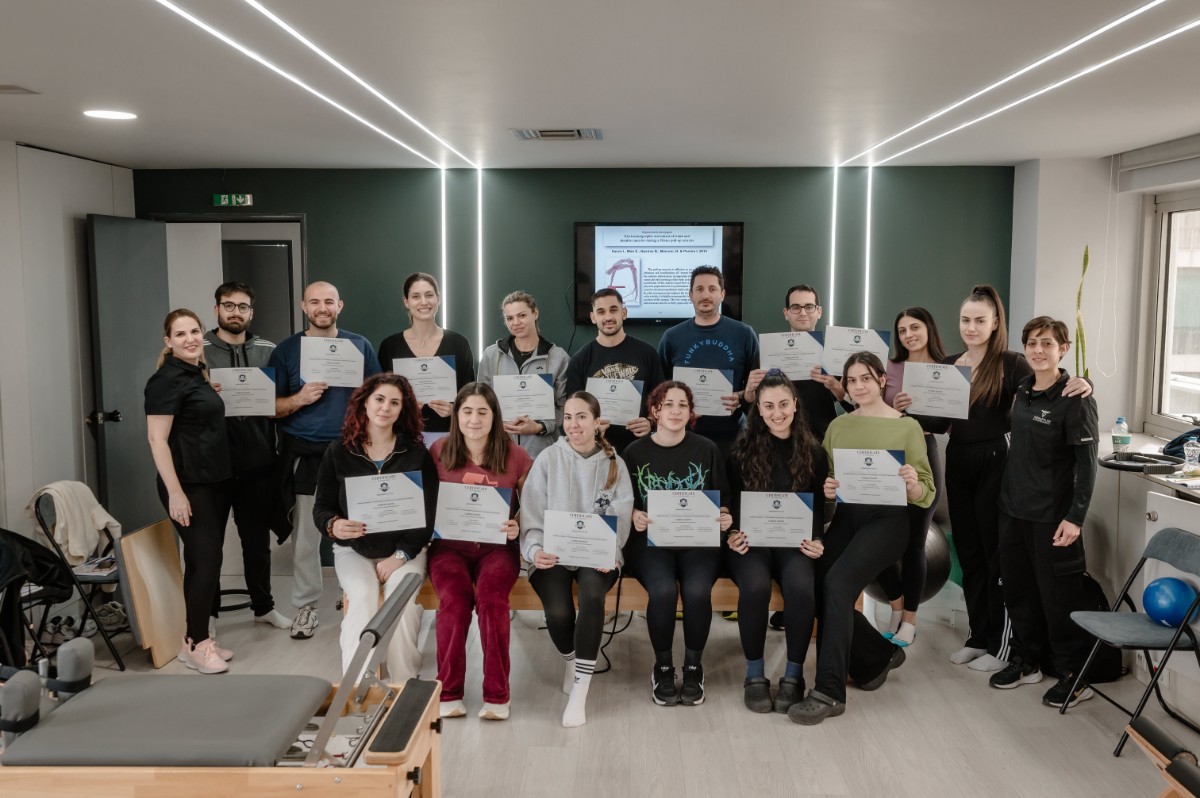
Full Certification is awarded upon successful completion of all requirements and achievement of the full number of required credits.
- Attendance and participation requirements
| Requirement | Credits | Assessment Method |
|---|---|---|
| Mandatory attendance of at least 90% of face-to-face training hours | 48 credits | Attendance register for each section/course. Minimum requirement: 44/48 documented face-to-face hours. |
| Mandatory participation in practical exercises and workshops | 1 credit | Assessment by the instructor based on active participation, safe practical application, and involvement in workshops. |
| Active participation in practical sessions and group activities | 1 credit | Participation in clinical reasoning exercises, group discussions, exercise programme design, and applied learning activities. |
Total: 50 attendance and participation credits
2. Assignments and Assessment Components
| Assignment / Assessment Component | Credits | Assessment Method |
|---|---|---|
| Submission of assignments: clinical project / clinical case study | 5 credits | Written clinical case study assessed using a rubric covering assessment findings, clinical reasoning, goals, exercise selection, progress, safety, and scientific evidence. |
| Final practical presentation via video of a Clinical Pilates programme | 3 credits | Oral/final presentation assessed using a rubric covering case documentation, clinical reasoning, programme design, evidence-informed decision-making, and professional communication. |
| Written knowledge test | 2 credits | Written examination assessing theoretical understanding, safety issues, indications/contraindications, exercise principles, and clinical application. |
Total: 10 assessment credits
Total credits required to obtain the Professional Diploma – Clinical Pilates in Rehabilitation: 60/60 credits = 48 documented face-to-face attendance credits + 2 participation credits + 10 structured assessment credits.
3. Programme Completion
| Completion Document | Completion Criteria | Credits Awarded | Issued To |
|---|---|---|---|
| Professional Diploma – Clinical Pilates in Rehabilitation | Awarded only upon successful completion of all mandatory attendance, participation, and assessment requirements, including the clinical project / clinical case study and the final practical presentation via video of a Clinical Pilates programme. | 60/60 credits | Participants who successfully complete all theoretical, practical, and assessment components of the postgraduate-level seminar programme. |
| Certificate of Attendance – Clinical Pilates in Rehabilitation | Awarded when the participant has attended and participated in the programme but has not successfully completed all assessment components required for certification. This applies when the clinical project / clinical case study and/or the final practical presentation via video of a Clinical Pilates programme is not submitted, not completed, or not successfully assessed. | Only documented credits successfully completed | Participants who complete documented educational activities but do not meet all the requirements for full certification. |
Important clarification: Participants who do not successfully complete the assessment of the clinical project / clinical case study and/or the final practical presentation are eligible only for the Certificate of Attendance – Clinical Pilates in Rehabilitation, which specifies the documented hours and credits they have completed.
Completion documents
Certificate of Completion – Professional Diploma in Clinical Pilates in Rehabilitation
Awarded only upon successful completion of all compulsory attendance, participation, structured asynchronous learning and assessment requirements, including the written clinical project / clinical case, the final practical video presentation and the written knowledge test.
Certificate of Attendance – Clinical Pilates in Rehabilitation
Issued when attendance has been documented but one or more completion requirements have not been completed or successfully assessed. It states only the documented learning hours completed and does not certify successful completion of the entire programme.
Commercial sponsorship and conflicts of interest
The programme receives no commercial sponsorship or educational funding from Pilates equipment manufacturers or suppliers, or other commercial organisations. No commercial entity influences the content, scientific evidence, equipment selection, assessment process or certification decisions. All trainers complete conflict-of-interest and proprietary-interest declarations.
Accessibility, diversity and inclusive learning
The programme adopts an inclusive, person-centred approach to teaching and learning. The teaching team, learning materials, practical activities and clinical cases reflect diverse patient populations, varying in age, sex, gender identity, pregnancy and postnatal status, disability, cultural and socioeconomic background, health literacy, physical and functional ability, disease patterns, symptoms and response to treatment.
Teaching takes place in licensed vocational training facilities and lifelong learning centres that support a physically and psychologically safe, dignified, accessible and interactive learning environment.
Participants may contact seminars@therapylab.gr confidentially before the programme begins to request reasonable accessibility or learning adjustments. Where required, alternative forms of participation are offered that maintain the learning outcomes and safety requirements.
Practical activities include practice between participating physiotherapists and demonstrations by trainers. All practical contact is voluntary and based on informed consent, which may be withdrawn at any time without adverse consequences. No real patients are assessed, treated, filmed or involved in any way during the training programme.
Fees & Registration
Programme Fees
The training programme consists of 3 parts (modules).
- Standard fee: €450 per part – Total programme fee: €1,350
- Early Bird 20% Discount: €360 per part – Total programme fee: €1,080
*Plus, VAT in countries where applicable
Payment Method
Bank deposit or transfer
Enter your full name and “Clinical Pilates – City of interest” in the beneficiary reference field.
Bank Details
IBAN: GR9702606390000170200586867
Beneficiary: THERAPYLAB RESEARCH AND DEVELOPMENT SINGLE-MEMBER S.A.
Bank: EUROBANK
Company Name: THERAPYLAB RESEARCH & DEVELOPMENT SINGLE-MEMBER S.A.
PHYSIOTHERAPY FRANCHISE SERVICES | EDUCATIONAL SERVICES
Tax Identification Number: 803139109
Tax Office: KEFODE
Address: 25 Panormou Street, 12242 Egaleo
Participation Terms
- To register, email your full name, telephone number and chosen seminar to seminars@therapylab.gr, or complete the registration form attherapylab.gr
- Pay a €270 deposit to confirm your place. Please pay the full deposit and cover any bank charges.
- After making the deposit, send proof of payment (PDF or screenshot) to seminars@therapylab.gr.
- You will receive a confirmation email with the seminar details.
- The registration deposit is €270 and is non-refundable.
- If written cancellation is received at least 15 calendar days before the start date, the deposit may be transferred once to another available TherapyLab training programme.
- For cancellations less than 15 calendar days before the start date, or in the event of non-attendance, the deposit is neither refundable nor transferable.
- If TherapyLab cancels the programme, participants may choose either a full refund of the amount paid or transfer of the full amount to another available programme.
Lecturers
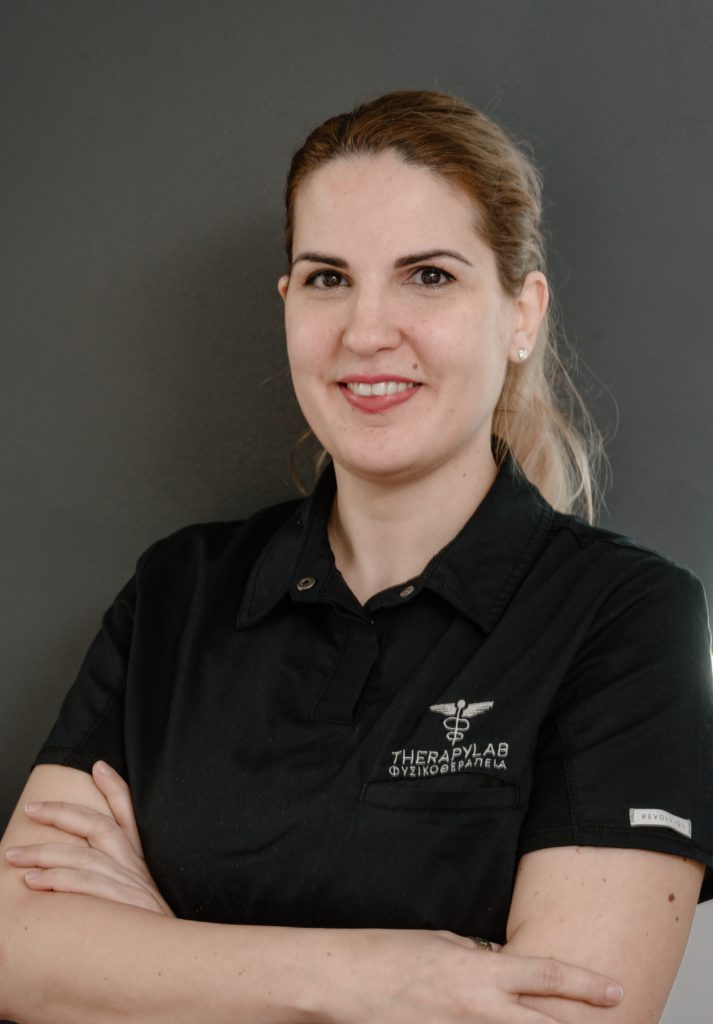
ΜSc. Sport Physiotherapy,PT
Exercise Therapy Specialist
Lecturer in MSK Physiotherapy
Clinical Pilates Educator
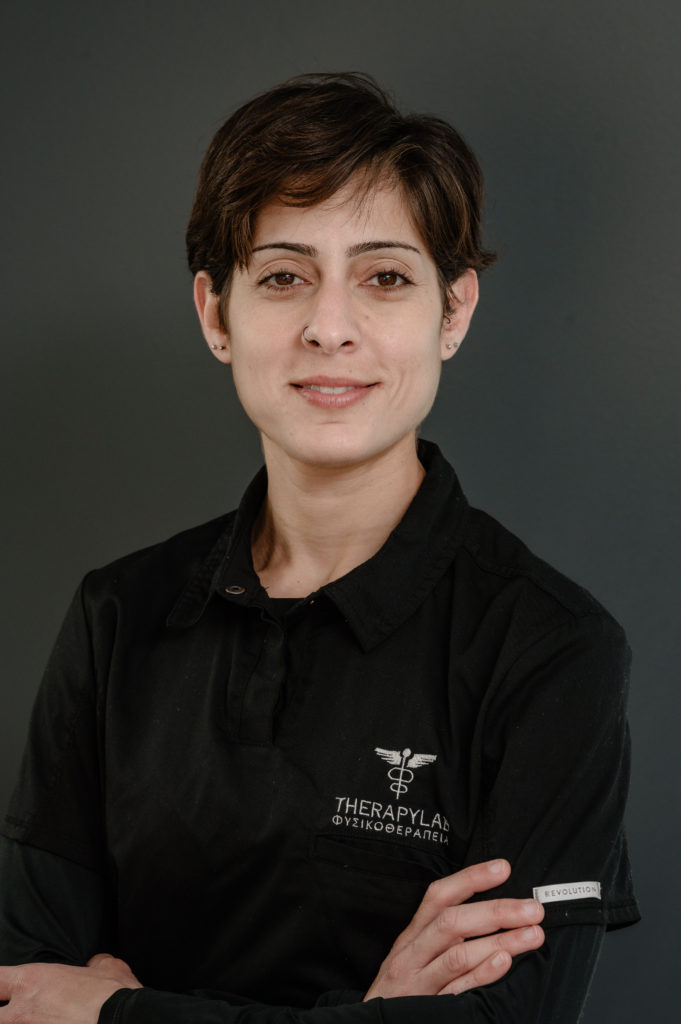
MSc. Advanced Physiotherapy, PT
Women’s Health Specialist
Clinical Pilates Educator


MSc. Exercise & Health, PT
Sports & Exercise Therapy Specialist,
Cardiorespiratory Specialist
Clinical Pilates Trainer
Dates & Locations of Scheduled Seminars Clinical Pilates in Rehabilitation: An Evidence-Based Approach for Physiotherapists




Upcoming Programme Cycles
New programme dates are announced each semester.
Complete the expression of interest form to hear first or let us know you are interested in a programme in your area.
Expression of Interest Form
Complete your details to enquire about availability or book a place:
📧 Email: seminars@therapylab.gr
📞 Tel: +30 6985676281