
Clinical Pilates in Rehabilitation
An Evidence-Based Approach for Physiotherapists

Program Information
Format: Hybrid training – Intensive in-person instruction combined with asynchronous e-learning
Duration: 60 hours (48 in-person + 12 asynchronous learning)
Structure: 3 parts (two-day seminars & educational material), offered in fall or spring semester
Languages of Instruction: Greek or English
Locations: Greece & Cyprus
Number of Participants: Maximum of 19 participants
Audience: Exclusively for physiotherapists
World Physiotherapy Approved CPD Programme
The continuing professional development (CPD) programme “Clinical Pilates in Rehabilitation: An Evidence-Based Approach for Physiotherapists” has been approved for 60 hours of World Physiotherapy CEUs.
Approved CPD programme reference: CEUL173459
View the official approval here:
https://app.ceulocker.com/continuing-education/approved-course-information.cfm?ceulid=CEUL173459
Content
The Clinical Pilates in Rehabilitation program is an evidence-based specialization designed for physiotherapists, with emphasis on motor control, integration of myofascial lines, and the development of clinical reasoning.
Across the three training modules, participants are trained in the progressive Clinical Pilates exercise system, covering indications, contraindications, modifications, clinical applications, and contemporary teaching methods.
The program includes in-depth training in assessment procedures based on motor control stages, functional levels, motor development principles, and myofascial line patterns.
Clinical reasoning forms a central pillar of the program, enhancing the ability to design individualized Clinical Pilates programs for both one-to-one and group sessions.
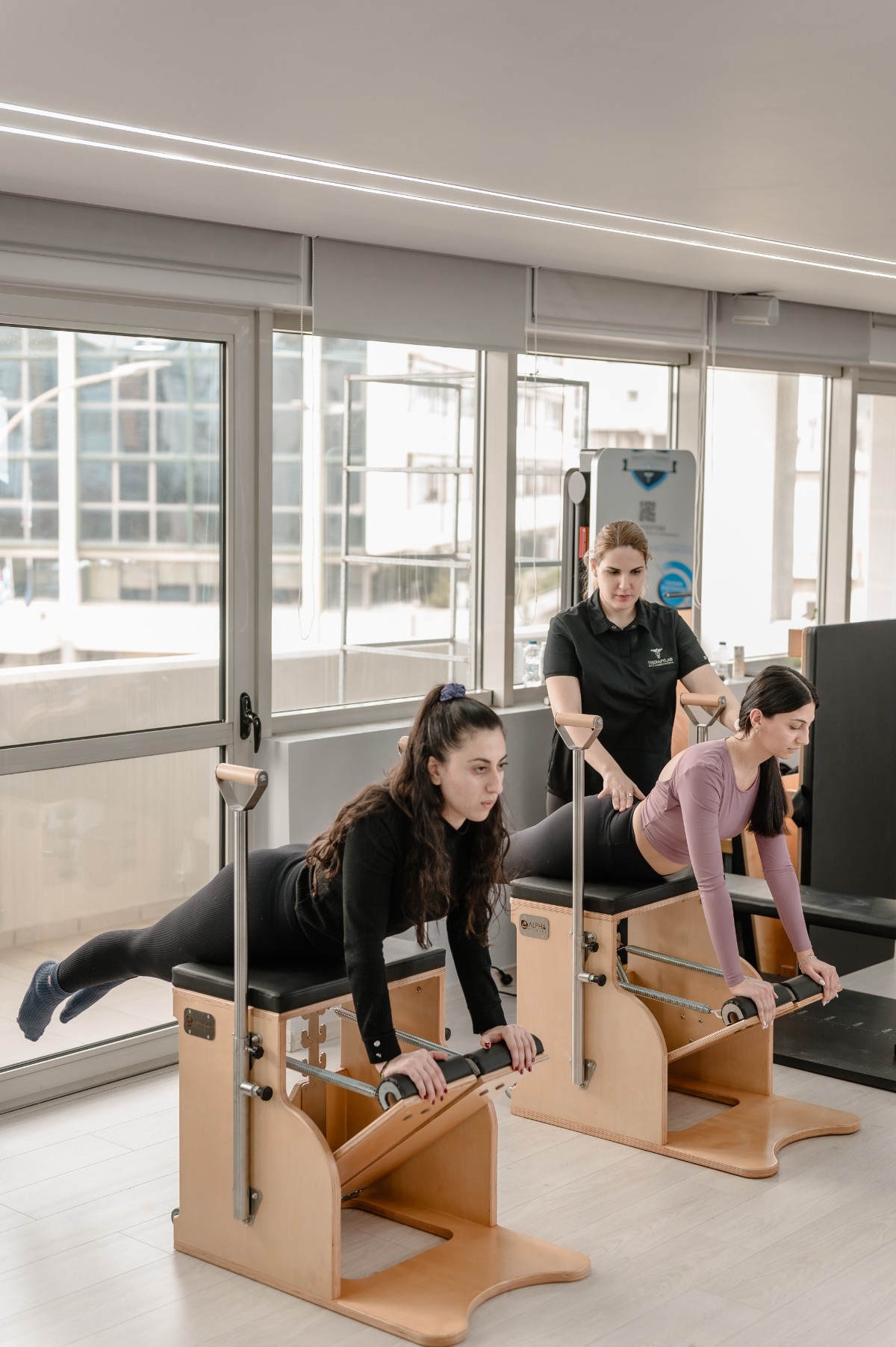
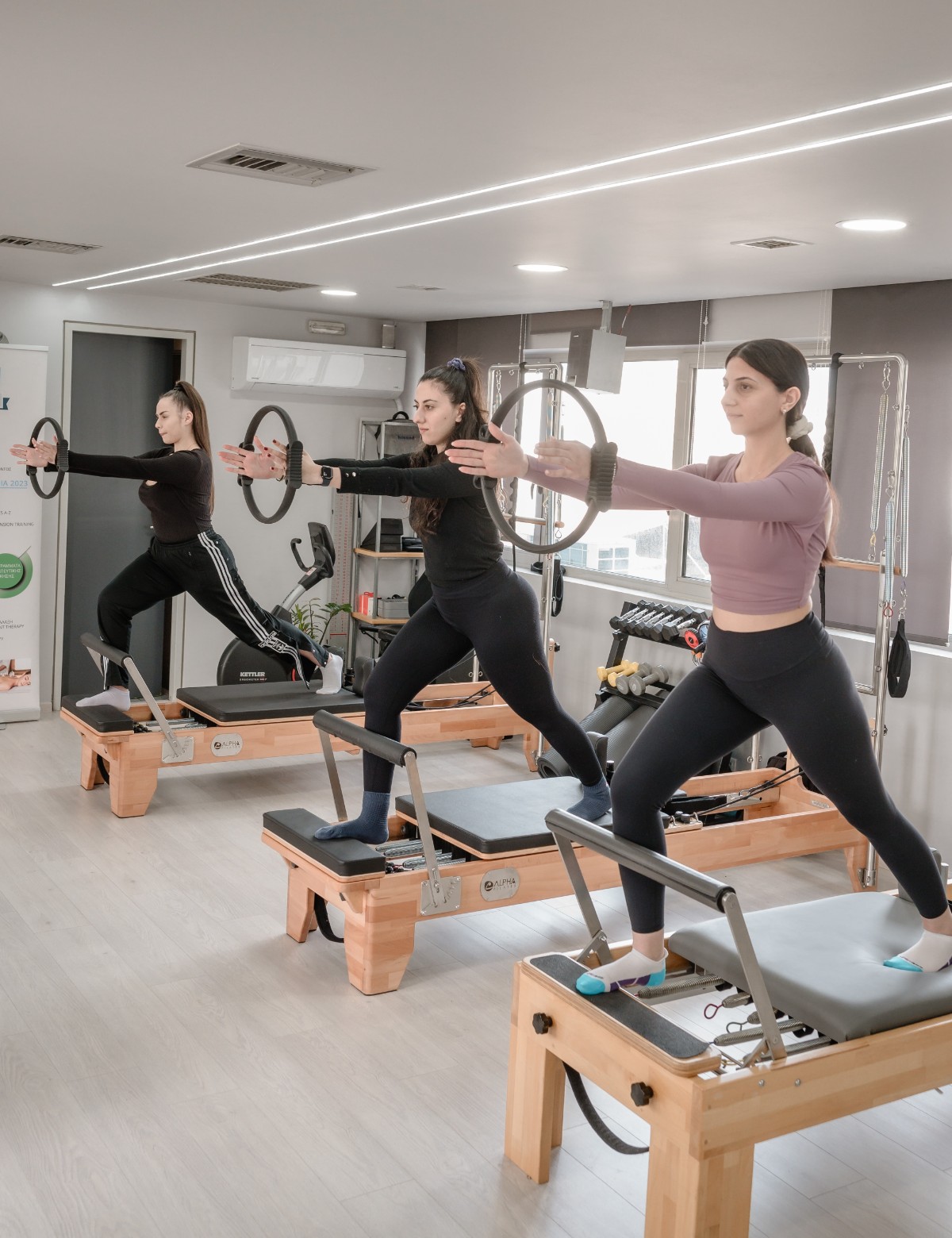
Participants gain practical experience in Matwork and small equipment (Pilates ring, resistance bands, weights, foam rollers, balance discs, Swiss balls, massage balls), as well as in the clinical application of large equipment (Reformer, Tower, Chair) within a rehabilitation framework.
Through clinical case studies involving musculoskeletal conditions, sports rehabilitation, functional disorders, neurological conditions, pregnancy, pelvic floor dysfunction, and special populations, the program equips physiotherapists with the essential tools and knowledge required for the safe and effective integration of Clinical Pilates into everyday clinical practice.
Learning Outcomes
Face-to-face contact hours exclude scheduled breaks. The total learning time is 60 hours.
Program – Modules & Hours
Clinical Pilates in Rehabilitation
An Evidence-Based Approach for Physiotherapists
Programme hours
| Module | Face-to-face | Asynchronous | Total |
|---|---|---|---|
| A | 16 hours | 4 hours | 20 hours |
| B | 16 hours | 4 hours | 20 hours |
| C | 16 hours | 4 hours | 20 hours |
| Programme total | 48 hours | 12 hours | 60 hours |
Face-to-face contact hours exclude scheduled breaks. The total learning time is 60 hours.
PART A
Clinical Pilates Matwork Basic – Advanced / Fundamental Principles & Clinical Reasoning
Day 1 — 09:00–18:00
- Introduction to Pilates – Differentiating Clinical Pilates
- Key principles of Clinical Pilates
- Scientific evidence – Literature review
- Muscle balance – Motor learning
- Basic-level mat exercises
- Goals, exercise selection, progression, indications/contraindications, modifications (basic exercises)
Day 2 — 09:00–18:00
- Advanced-level mat exercises
- Goals, exercise selection, progression, indications/contraindications, modifications (advanced exercises)
- Clinical case analysis (Case Studies)
- Group discussion – Group work / feedback
PART B
Clinical Pilates Assessment & Rehabilitation / Small Equipment / Classes /
Musculoskeletal Cases / Sports Rehabilitation
Day 1 — 09:00–18:00
- Clinical reasoning & Clinical Pilates
- Development of assessment form
- Low- and high-load assessment & flexibility assessment (C/S, L/S, Pelvis, UL, LL)
- Motor control – motor development – myofascial chains
- Development of a rehabilitation plan
- Program progression & advancement
Day 2 — 09:00–18:00
- Small equipment: theory, correct use, modifications
- Application of exercises using ring, foam roller, resistance bands, weights, gliding disks, balance equipment, balls
- Teaching methods – Class design
- Warm-up & cooldown
- Stretching techniques & relaxation methods
- Case Studies – Musculoskeletal injuries and conditions of the C/S, T/S, Shoulder Girdle, Shoulder, Elbow, Wrist & Hand
- Case Studies – Musculoskeletal injuries and conditions of the L/S & Pelvis, Hip, Knee & Foot
- Sports Rehabilitation & Clinical Pilates applications
- Discussion
Asynchronous Training – Clinical Project:
Assessment Form & Rehabilitation Program
PART C
Reformer / Tower / Chair / Pregnancy / Neurological Cases / Special Populations / Rehabilitation Programs
Day 1 — 09:00–18:00
- Reformer & Tower I, II: theory, correct use, indications/contraindications
- Reformer & Tower I: goals, modifications & exercise application
- Reformer & Tower II: goals, modifications & exercise application
Day 2 — 09:00–18:00
- Case Studies – Pelvic floor dysfunction, post-menopausal stage, pregnancy
- Case Studies – Neurological conditions
- Case Studies – Special populations (scoliosis, rheumatologic conditions, chronic pain)
- Combined programs (Mat, small & large equipment) – Case Studies
- Discussion – Questions & Answers
- Comprehensive review of Clinical Pilates
Asynchronous Training – Clinical Project:
Final Presentation
Learning outcomes
On successful completion of the programme, the participant will be able to:
LO1 – Clinical Assessment: Conduct a structured, person-centred functional assessment relevant to
Clinical Pilates practice, identifying movement impairments, functional limitations, precautions and
rehabilitation priorities.
LO2 – Exercise Application: Select, teach and safely apply appropriate Matwork and equipment-based
Clinical Pilates exercises according to the individual’s clinical presentation and functional goals.
LO3 – Programme Design: Design an individualised, progressive and evidence-informed Clinical Pilates
rehabilitation programme incorporating dosage, progression, regression and outcome monitoring.
LO4 – Clinical Reasoning and Adaptation: Demonstrate clinical reasoning when adapting Clinical Pilates
interventions for musculoskeletal, neurological, pregnancy and postnatal, athletic and other relevant
clinical populations.
LO5 – Evidence-Informed Practice: Critically integrate current scientific evidence, clinical expertise,
patient preferences and safety considerations into Clinical Pilates assessment and intervention.
Structured asynchronous learning
The programme includes 12 hours of structured asynchronous learning: four hours linked to each
module. For every module, participants receive a focused PubMed-indexed reading list and concise study
guidance.
- Module A: Clinical Pilates principles, motor learning and Matwork practice.
- Module B: assessment, rehabilitation planning, dosage, musculoskeletal rehabilitation and sports
rehabilitation. - Module C: apparatus-based practice, pregnancy and postnatal rehabilitation, neurological
conditions and special populations.
The evidence reviewed is used during face-to-face discussion, clinical case analysis and assessment
preparation. No separate written assignment is required for the asynchronous component.
Learning resources provided
- Course Handbook and programme guidance.
- Module A, B and C teaching materials.
- Practical manuals for Matwork, Small equipment, Reformer, Tower and Chair.
- Clinical assessment and rehabilitation programme-planning forms.
- Clinical case studies and special-population learning resources.
- Separate scientific reading lists for Modules A, B and C.
- Structured asynchronous-learning guidance.
- Assessment instructions and analytic marking rubrics.
Learning resources are supplied digitally through secure participant access and/or in printed format for the
participant’s personal educational use.
Assessment Process & Requirements
This structured continuing professional development programme, Clinical Pilates in Rehabilitation, includes clearly defined attendance, participation and assessment requirements.
Completion credits are awarded across documented in-person learning hours and structured assessment components.
Full Certification is granted only when all mandatory requirements are successfully completed and the total required credits are achieved.
1. Attendance & participation requirements
| Requirement | Credits | How it is assessed / evidence | Certification relevance |
|---|---|---|---|
| Mandatory attendance of at least 90% of in-person training hours | 48 credits | Attendance register for every module/session. Minimum requirement: 44/48 documented in-person hours. | Required for Full Certification. If the attendance threshold is not met, only documented attendance/participation may be recognised. |
| Required participation in practical exercises and workshops | 1 credit | Tutor observation of active participation, safe practice and engagement during practical workshops. Evidence: practical participation checklist / tutor record. | Required for Full Certification. |
| Active participation in practical sessions and group activities | 1 credit | Participation in clinical reasoning tasks, peer discussion, group-based exercise planning and applied learning activities. Evidence: group activity records or worksheets. | Required for Full Certification. |
Total: 50 attendance and participation credits
2. Assessment tasks
| Assessment task | Credits | How it is assessed / evidence | Certification relevance |
|---|---|---|---|
| Submission of assignments: clinical project / clinical case | 5 credits | Written clinical case/project assessed with rubric: assessment findings, clinical reasoning, goal setting, exercise selection, progression/regression and safety. Evidence: submitted clinical project file. | Critical gate for Full Certification. If not submitted, not completed or not passed, Full Certification is not awarded. |
| Final practical video presentation | 3 credits | Oral/final presentation assessed with rubric: case justification, clinical reasoning, programme design, evidence-informed decision-making and professional communication. Evidence: presentation rubric / tutor mark sheet. | Critical gate for Full Certification. If not completed or not passed, Full Certification is not awarded. |
| Written knowledge test | 2 credits | Written test assessing theoretical understanding, safety considerations, indications/contraindications, exercise principles and clinical application. Evidence: test score / pass record. | Required for Full Certification. |
Total: 10 structured assessment credits
Total required for Professional Diploma – Clinical Pilates in Rehabilitation: 60/60 credits = 48 documented in-person attendance credits + 2 participation credits + 10 structured assessment credits.
3. Completion documents
| Completion document | Completion criteria | Credits shown | Awarded to |
|---|---|---|---|
| Professional Diploma – Clinical Pilates in Rehabilitation | Awarded only when all mandatory attendance, participation and assessment components are successfully completed, including the clinical project / clinical case and final practical video presentation. | 60/60 credits | Participants who successfully complete all theoretical, practical and assessment components of the postgraduate-level seminar training programme. |
| Certificate of Attendance – Clinical Pilates in Rehabilitation | Awarded when the participant has attended and participated in the programme but has not successfully completed all certification assessment components. This applies when the clinical project / clinical case and/or final practical video presentation are not submitted, not completed or not successfully passed. | Documented completed credits only | Participants who complete documented learning activities but do not meet all requirements for Full Certification. |
Important: Participants who do not successfully complete the clinical project / clinical case assessment and/or the final practical video presentation are eligible only for a Certificate of Attendance – Clinical Pilates in Rehabilitation reflecting the documented hours and credits completed.
Completion documents
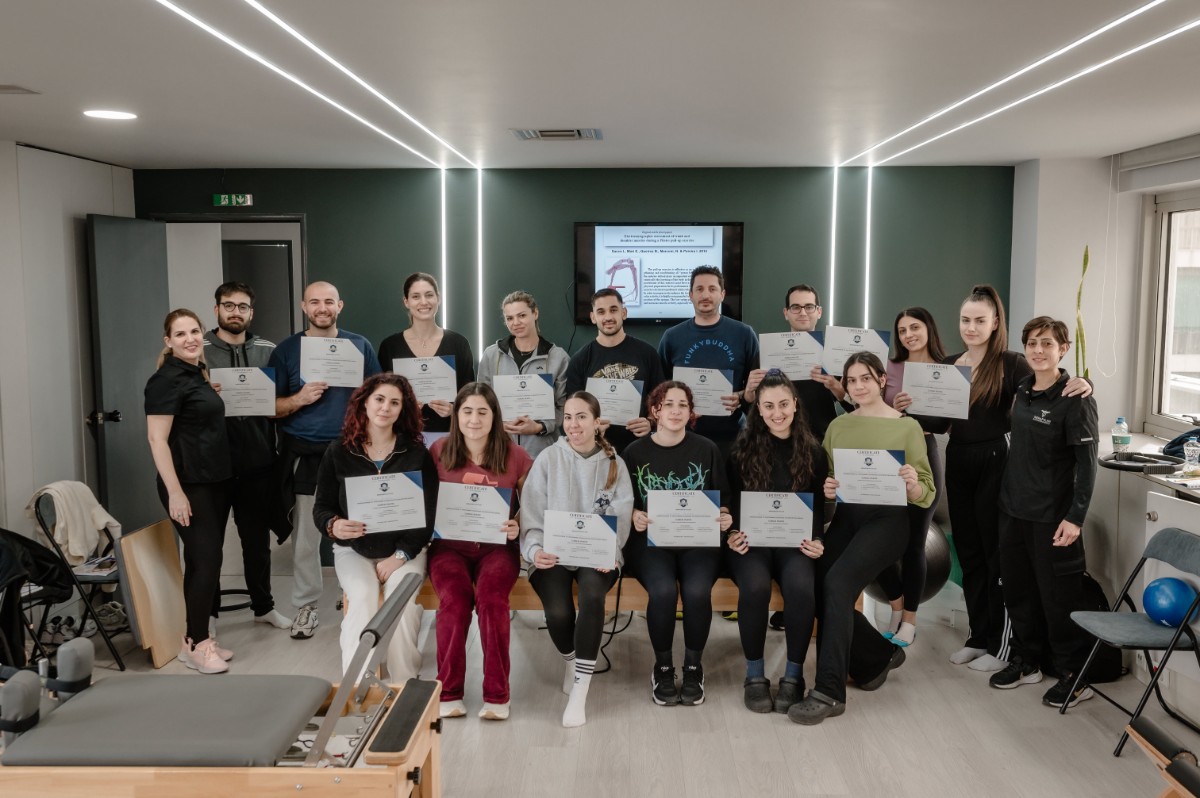
Certificate of Completion
| Certificate of Completion – Professional Diploma in Clinical Pilates in Rehabilitation |
Certificate of Attendance
Issued when attendance has been documented but one or more programme completion requirements
have not been completed or passed. It records only the participant’s documented completed learning
hours and does not certify successful completion of the full programme.
Target audience and entry requirements
The programme is intended for qualified physiotherapists who are legally entitled to practise and, where
applicable, are registered with the relevant national professional or regulatory body.
Participants are expected to have foundational professional knowledge of anatomy, physiology,
pathology, clinical assessment, therapeutic exercise and professional risk management. Evidence of
professional status may be requested before enrolment.
Cost & Registration
The training program consists of 3 modules.
- Standard price: €450 per module – Total program cost: €1,350
- Early Bird 20% Discount: €360 per module – Total program cost: €1,080
*Plus VAT where applicable
Deposit
A €270 deposit is required to secure your place.
Payment Method
Bank deposit or bank transfer.
Please include your full name and the title “Clinical Pilates – [City of interest]” in the field “Reason for beneficiary”.
Bank Details
ΙΒΑΝ: GR9702606390000170200586867
Account Holder: THERAPYLAB RESEARCH AND DEVELOPMENT SINGLE-MEMBER S.A.
Bank: EUROBANK
Company Name:THERAPYLAB RESEARCH & DEVELOPMENT SINGLE-MEMBER S.A.
PHYSIOTHERAPY FRANCHISE SERVICES | TRAINING SERVICES
VAT: EL 803139109
Tax Office: KEFODE
Address: 25 Panormou Street, Aigaleo 12242, Greece
Terms of Participation
- To register, send your details (full name, phone number) and the seminar of interest to seminars@therapylab.gr, or submit the application form at www.therapylab.gr.
- The €270 deposit confirms the reservation of your place. The amount must be paid in full, and any bank charges are to be borne by the depositor.
- After completing the payment, please email the receipt (PDF or screenshot) to seminars@therapylab.gr.
- You will receive a confirmation email with all seminar details.
- The registration deposit is €270 and is non-refundable.
- For written cancellation received at least 15 calendar days before the programme start date, the deposit may be transferred once to another available TherapyLab educational programme.
- For cancellation received fewer than 15 calendar days before the start date, or in the event of non-attendance, the deposit is neither refundable nor transferable.
- If TherapyLab cancels the programme, the participant may choose either a full refund of the amount paid or transfer of the full amount to another available programme.
Commercial sponsorship and conflict of interest
The programme receives no commercial sponsorship or educational funding from Pilates-equipment
manufacturers, suppliers or other commercial organisations. No commercial entity influences the
programme content, scientific evidence, equipment selection, assessment process or certification
decisions. All instructors complete conflict-of-interest and proprietary-interest declarations.
Accessibility, diversity and inclusive learning
The programme adopts an inclusive, person-centred approach to teaching and learning. The teaching team, learning resources, practical activities and clinical case studies reflect diverse patient populations, including variation in age, sex, gender, pregnancy and postnatal status, disability, cultural and socioeconomic background, health literacy, physical and functional capacity, patterns of disease, symptoms and responses to treatment.
Teaching takes place in licensed professional education and lifelong-learning venues that support a physically and psychologically safe, respectful, accessible and interactive learning environment. Participants may contact seminars@therapylab.gr confidentially before the programme to request reasonable accessibility or learning adjustments. Where required, alternative methods of participation are offered while preserving the learning outcomes and safety requirements.
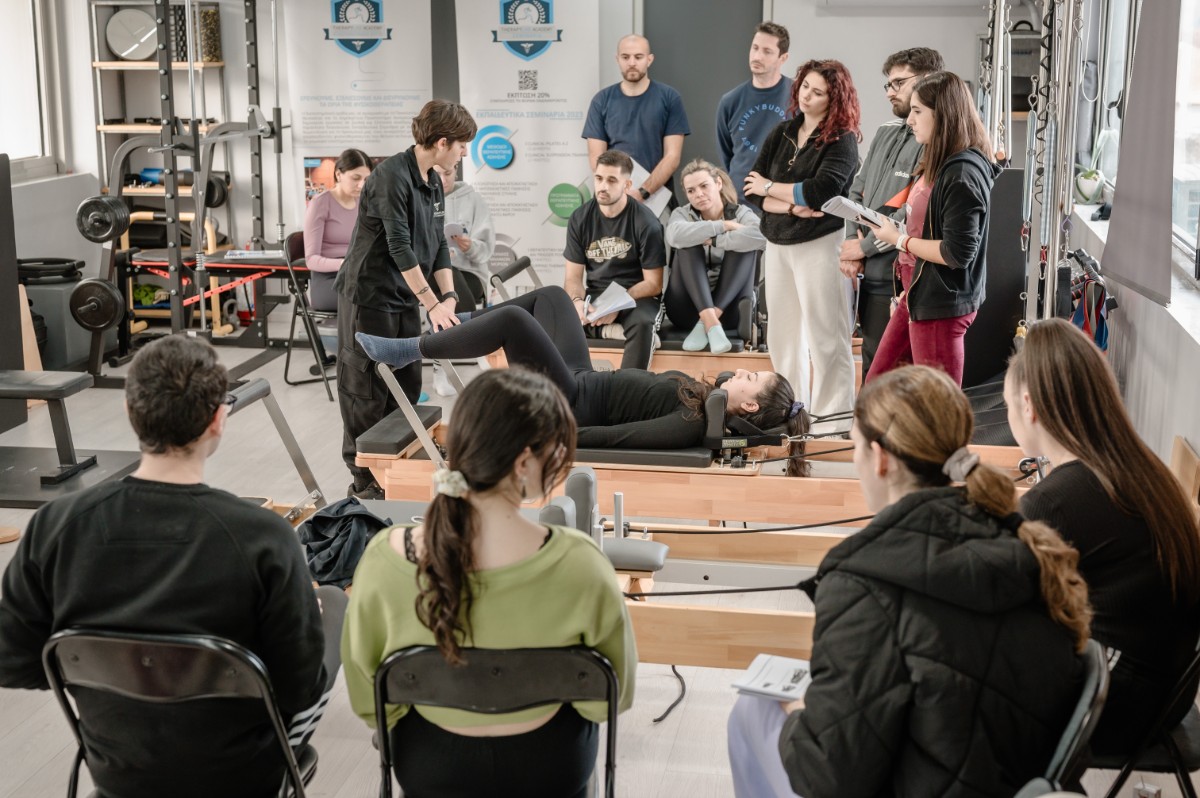
Practical activities involve peer practice and instructor demonstrations between qualified physiotherapist participants. Any practical touch is voluntary and based on informed consent, which may be withdrawn at any time without disadvantage. No live patients are assessed, treated, filmed or otherwise used during the educational programme.
Speakers
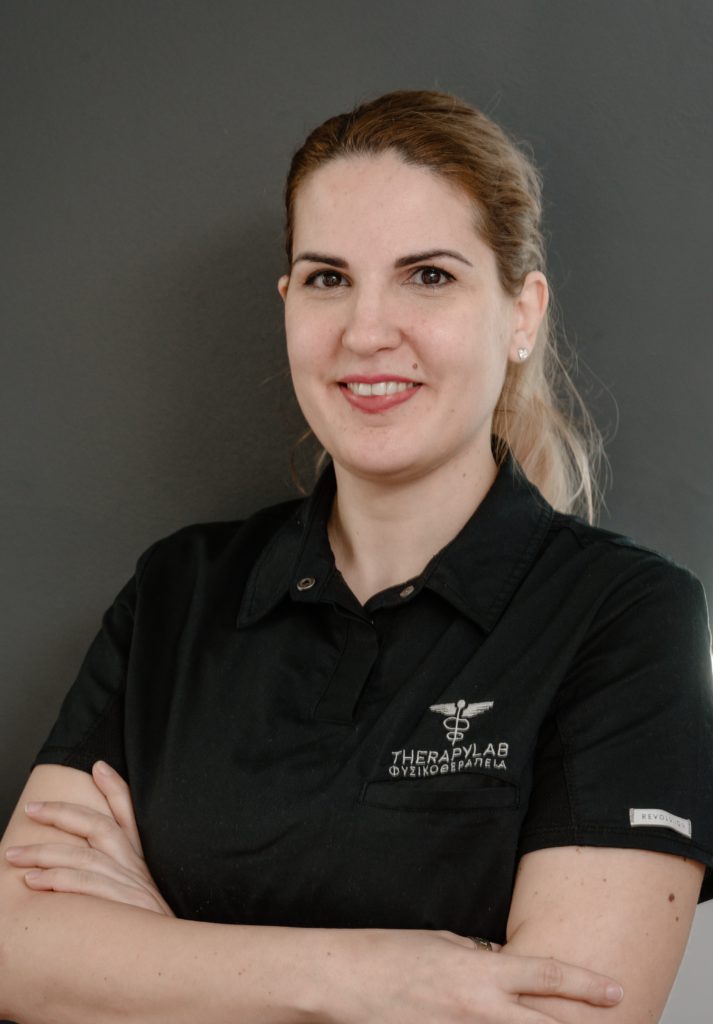
ΜSc. Sport Physiotherapy,PT
Exercise Therapy Specialist
Lecturer in MSK Physiotherapy
Clinical Pilates Educator
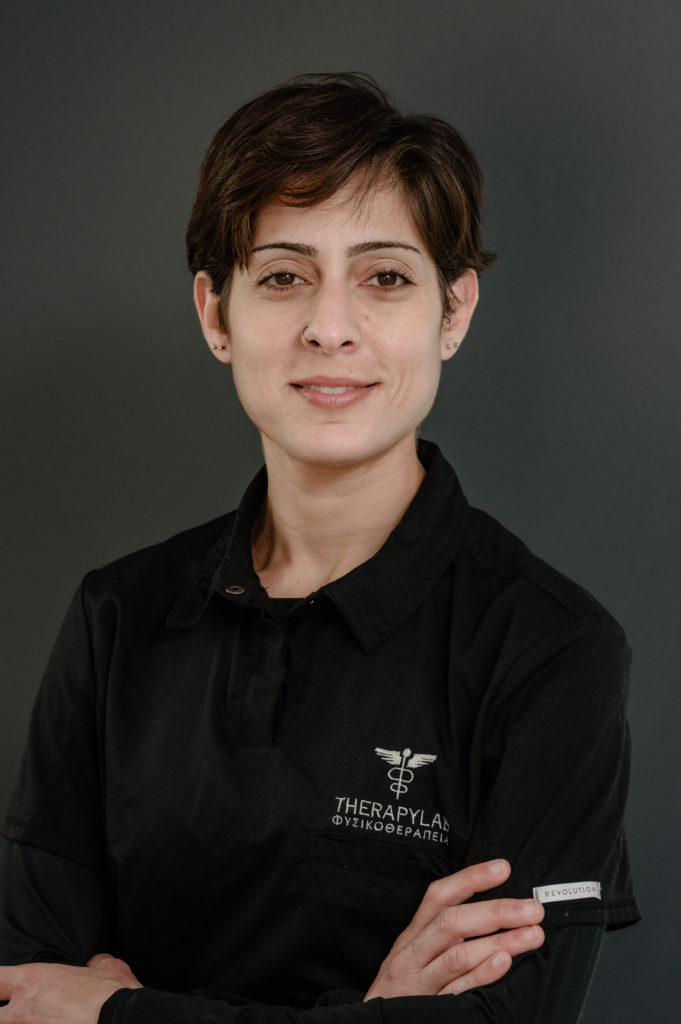
MSc. Advanced Physiotherapy, PT
Women’s Health Specialist
Clinical Pilates Educator

MSc. Advanced Physiotherapy, PT
Pain Specialist
Clinical Pilates Trainer

MSc. Exercise & Health, PT
Sports & Exercise Therapy Specialist,
Cardiorespiratory Specialist
Clinical Pilates Trainer
Scheduled Seminar Dates & Locations
Clinical Pilates in Rehabilitation: An Evidence-Based Approach for Physiotherapists




Upcoming Training Cycles
New cycle dates are announced every semester.
If you wish to be notified first or express interest for your region, please complete the interest form
Expression of Interest Form
Fill in your details to receive availability updates or reserve your place: